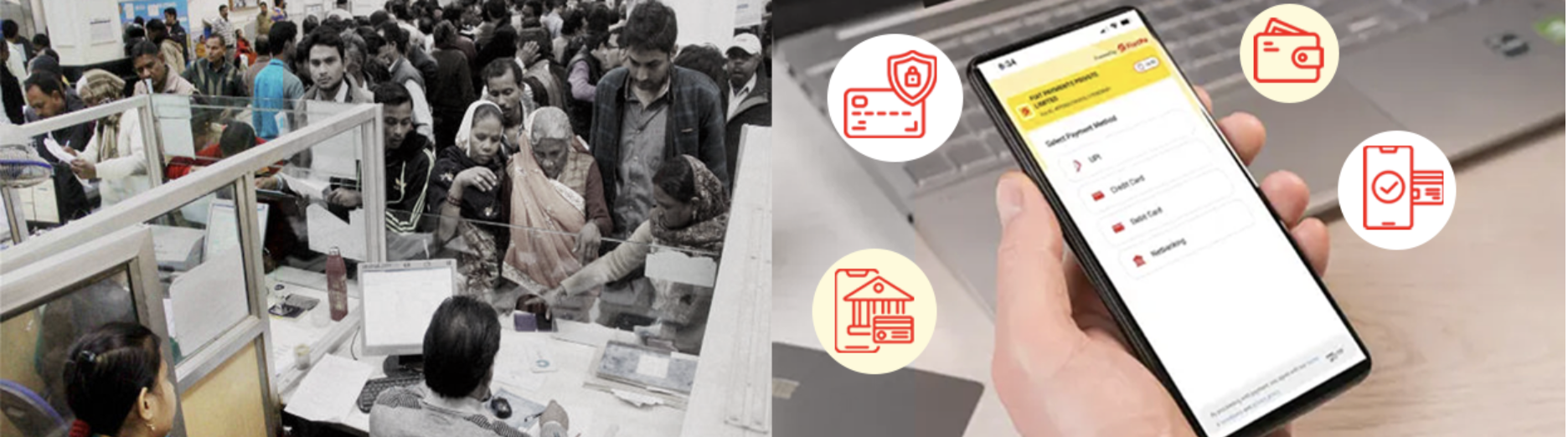
India’s credit landscape is evolving faster than ever before. What began as a wave of consumer-focused Buy Now Pay Later (BNPL) models has now matured into a broader B2B credit revolution led by fintech innovation.
This shift is reshaping how businesses, especially MSMEs, access and manage credit.
The story is moving from consumption to commerce, and startups like FiatPe are at the center of this transformation, bridging the gap between digital payments and business credit platforms.
The Rise and Rethink of BNPL
The early chapter of fintech credit revolved around BNPL in India. It captured public attention by making small-ticket credit instantly accessible. It was simple, app-driven, and perfectly suited for a generation that preferred quick digital experiences over paperwork. For millions of first-time borrowers, BNPL was their introduction to formal credit.
Think of a college student buying a pair of sneakers through BNPL because salary day was two weeks away. That single checkout was their first step into structured credit.
However, as the market matured, challenges surfaced. Many BNPL players struggled with defaults and tighter regulatory norms. The BNPL to B2B credit transition in India emerged from these learnings, as fintechs realised that sustainable lending required deep data insights and disciplined underwriting.
While BNPL served the consumption economy, it opened the door for a new approach: faster, data-led, and behaviour-driven credit models that could be applied to small businesses.
The Next Chapter: From Consumers to Businesses
Today, the real action lies in fintech-driven B2B lending in India (2025 and beyond). India’s small and medium enterprises, the backbone of the economy, continue to face a severe MSME credit gap. Traditional banks often overlook them due to limited documentation or lack of collateral.
This is where fintech platforms like FiatPe are making a difference.
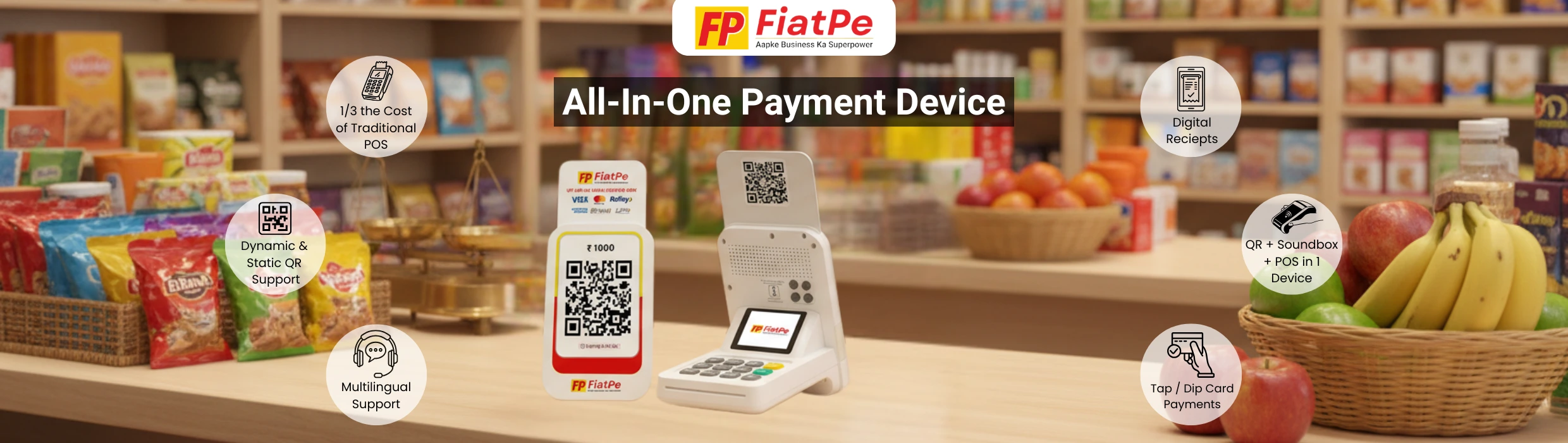
At FiatPe, we began with digital payment solutions, enabling merchants across India with seamless UPI, QR, POS, and payout systems. As we processed over 45 million transactions and onboarded 40,000+ merchants, one insight stood out: small businesses needed financial intelligence and access to flexible working capital aligned with their cash flow cycles.
Take the example of a hardware store owner who buys inventory every Monday but receives supplier payments 10–14 days later. Traditional bank loans didn’t match this rhythm, but embedded finance could.
Every transaction tells a story. When merchants use FiatPe for daily sales, settlements, or supplier payments, they generate valuable business data. That data becomes the foundation for B2B fintech credit without collateral, creating new opportunities for underserved MSMEs.
Data-Driven Lending for MSMEs
The MSME credit gap in India is estimated to be over $300 billion. The challenge lies not in the lack of demand, but in the absence of tailored solutions.
The traditional credit process was linear: apply, verify, wait, and then access funds. Fintech B2B lending platforms are making this process circular:
- Digital payments generate data
- Data drives insights
- Insights enable embedded credit
This ecosystem supports business growth while reducing risk for lenders.
A neighbourhood tiffin service processing 180 QR payments a day isn’t necessarily a risky borrower; its transaction data provides evidence of business activity. Through advanced algorithms, fintech platforms can assess merchant creditworthiness using patterns such as transaction frequency, settlement speed, and cash flow predictability.
This is how fintech is helping address the MSME credit gap in India, by using transaction data to improve credit assessment and expand access to working capital through embedded finance.
Building an Intelligent Credit Ecosystem
FiatPe’s long-term goal is to transform merchant payment infrastructure into a business intelligence engine. Payments are merely the entry point; once a merchant is digitised, they gain access to a suite of value-added services, from analytics dashboards to automated settlements and, ultimately, embedded working capital loans.
This approach mirrors the larger industry trend. Fintechs are moving beyond single credit products to create integrated ecosystems combining digital payments, data analytics, and B2B lending.
In practice, this means a salon in Jaipur could access a merchant cash advance or working capital credit line through an integrated payment gateway ecosystem, subject to lender eligibility and underwriting, without relying solely on traditional bank processes.
This seamless experience defines the future of embedded finance in India, where payments and credit converge within a single digital ecosystem.
The Road Ahead
As fintech B2B lending in India expands, several principles will define its future:
- Responsible lending built on robust underwriting
- Collaboration between fintechs, regulators, and banks to shape policy
- Trust and data transparency as the new currency
The India MSME credit gap cannot be bridged by traditional institutions alone. It requires new-age platforms that understand digital behaviour, operate at scale, and harness technology responsibly.
The next generation of fintech startups will focus on payment gateways with embedded credit for MSMEs, creating opportunities for financial growth through payment data and responsible lending partnerships.
Rewriting the Credit Story
India’s credit story is no longer about just loans and interest rates. It’s about connectivity, intelligence, and empowerment. The future lies in digital payment-to-business credit platforms that link every merchant, transaction, and data point into a smarter financial web.
From BNPL to B2B fintech, innovation has evolved from convenience to empowerment. FiatPe’s journey reflects this evolution, from digital payment solutions towards a broader vision of business intelligence and embedded financial services for MSMEs.
As credit becomes a native part of business operations, India’s economic backbone, its MSMEs, grows stronger, one transaction at a time.


 Back