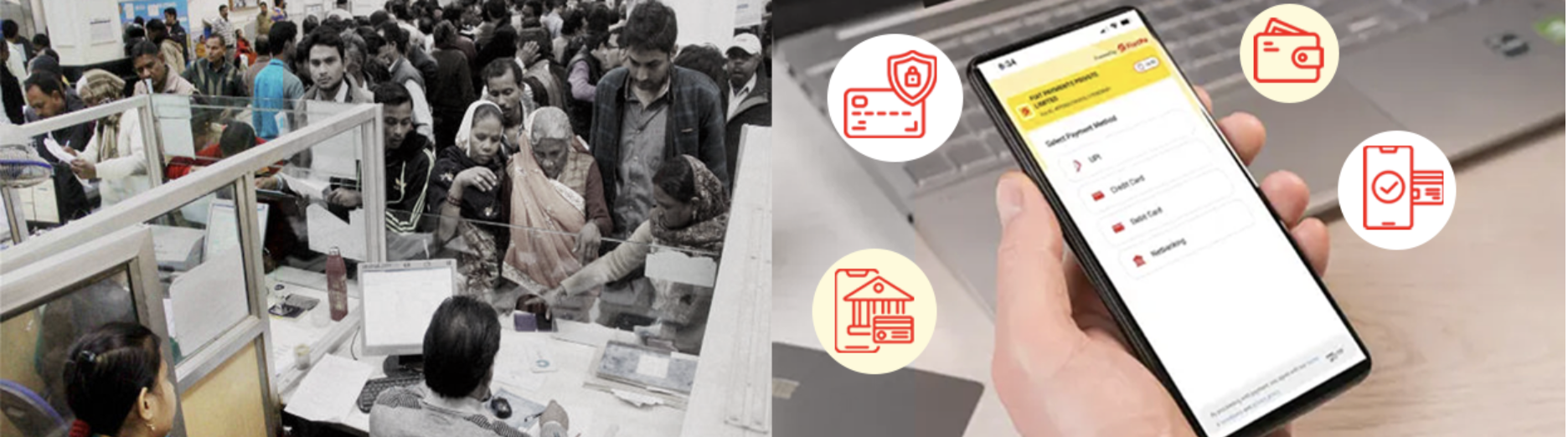
UPI has changed the way India pays, making instant transactions as easy as sending a message. From street vendors to large enterprises, millions of Indians now use UPI daily for convenience and speed.
However, as usage grows, so does the creativity of online fraudsters. The rise of UPI frauds and scams is a reminder that awareness is the best defence.
Staying informed and cautious can protect your money and keep your transactions secure.
Key Takeaways
- Recognise Common UPI Scams: Fake payment links, fraudulent QR codes, screen-sharing apps, and impersonation are common tactics used by scammers.
- Never Share Sensitive Credentials: Your UPI PIN, OTPs, and banking passwords should never be shared with anyone.
- Verify Before Paying: Always check the recipient’s name, UPI ID, and payment details before authorising a transaction.
- Use Trusted Payment Apps: Download applications from official sources and regularly review your transaction history.
- Report Fraud Immediately: Contact your bank and report suspected financial cybercrime through India’s 1930 helpline or the official cybercrime portal.
The Rise of UPI Scams in a Digital India
As India’s UPI transactions continue to surge past record highs, cybercriminals are also finding new ways to exploit unsuspecting users.
These scams are becoming increasingly sophisticated, often using social engineering to trick users into revealing sensitive information or authorising fraudulent payments.
The goal of every scammer is simple: to manipulate trust.
Common UPI Frauds to Watch Out For
-
Phishing and Fake Links:
Scammers often send fake payment links via SMS or email that look genuine. Once clicked, these links can capture your credentials or lead you to fake payment pages.
-
QR Code Scams:
Fraudsters may send a QR code claiming it is needed to receive money. Scanning such a code can initiate a payment request. Always check the transaction details and never enter your UPI PIN to receive money.
-
Screen Sharing Apps:
Many scammers ask users to download screen-sharing apps under the pretext of helping resolve technical issues. These apps can let them see and misuse your banking details in real time.
-
KYC and Account Verification Scams:
Fraudsters posing as bank or app representatives often call or message users claiming that their KYC is pending. They may ask for OTPs or UPI PINs to “verify” the account, which they then use to steal funds.
How to Protect Yourself from UPI Scams
-
Always Verify Recipients and UPI Handles:
Before making a transfer, double-check the recipient’s name and UPI ID. Fraudsters often use fake handles that resemble real names or businesses.
-
Never Share UPI PIN, OTP, or Banking Credentials:
Your UPI PIN is like your ATM PIN. No genuine app, bank, or representative will ever ask you to disclose it.
-
Use Verified Payment Apps Only:
Download UPI apps from official app stores like Google Play or the Apple App Store. Avoid clicking on app links shared through messages or emails.
-
Regularly Check Transaction History:
Keeping track of your payment history helps you detect unauthorised transactions early and report them to your bank or app provider.
-
Report Suspicious Activity Immediately:
If you notice unusual transactions or messages, contact your bank’s customer care and report financial cybercrime through the National Cyber Crime Reporting Portal or the helpline at 1930.
The Industry’s Role in Fraud Prevention
India’s fintech ecosystem, including NPCI, banks, and payment platforms, continues to enhance security through fraud detection and monitoring systems.
These technologies analyse transaction patterns to identify suspicious activity and help prevent fraudulent payments.
In addition, the Reserve Bank of India (RBI) and NPCI issue safety guidelines and awareness campaigns to educate users about secure digital payment practices.
Smart Payments Begin with Smart Users
UPI remains one of the most widely used digital payment systems in India. But like every technology, it requires mindful usage.
Awareness, caution, and verification can help you stay ahead of fraudsters. The next time you pay through UPI, remember that secure habits are your best safeguard.
In India’s fast-evolving digital economy, smart payments are not just about convenience.
They are about confidence, vigilance, and digital literacy.


 Back