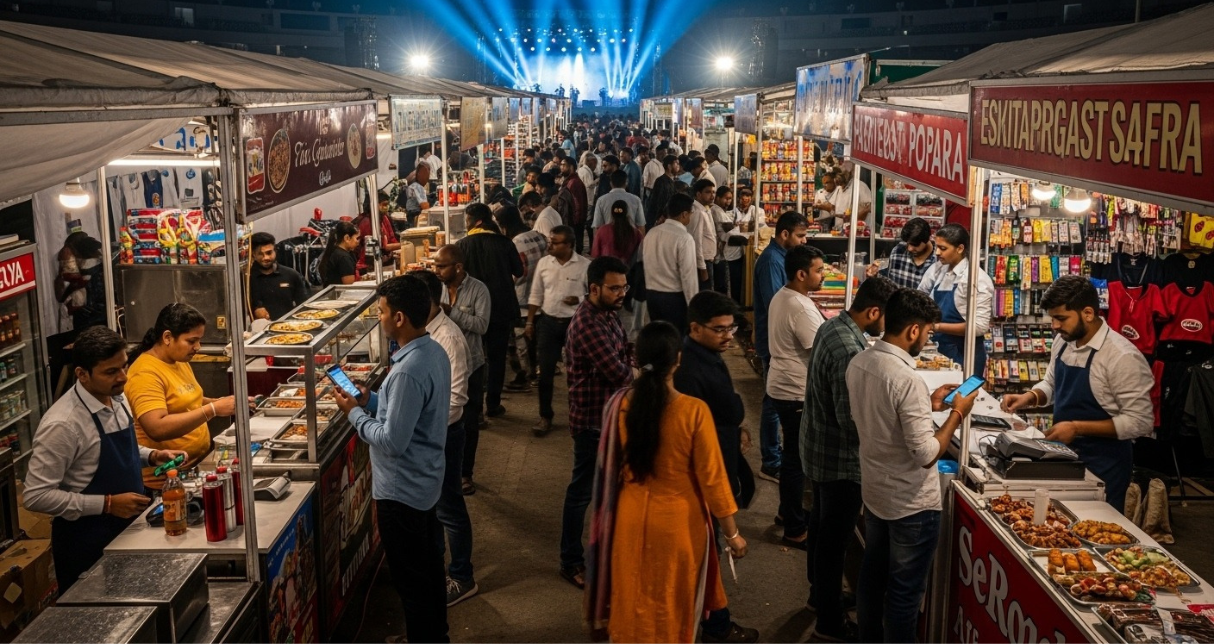
A large concert with 40,000 attendees can generate tens of thousands of transactions within just a few hours.
Food and beverage counters run continuously. Merchandise stalls sell out quickly. Experience zones, parking operators, and temporary retail kiosks all process payments simultaneously. What appears to audiences as a few hours of music and entertainment is, in reality, a high-density economic environment operating at remarkable speed.
India’s live entertainment industry is expanding rapidly, with global artists touring the country more frequently and domestic music festivals drawing increasingly large crowds. As these events grow in scale, they are creating temporary commerce ecosystems where thousands of people buy, sell, and transact within a highly compressed timeframe, reflecting broader digital payments in India trends.
Behind the performances and stage production lies an invisible but essential layer that keeps this ecosystem running smoothly: payments infrastructure built on evolving digital payment services and payment systems.
Key Takeaways
- Concerts Create Temporary Marketplaces: Large live events bring together thousands of attendees and multiple vendors, creating intense payment activity within a short period.
- Faster Payments Improve Event Flow: Closed-loop wallets and RFID-based payment systems can reduce transaction times, shorten queues, and improve the attendee experience.
- Payment Data Supports Better Planning: Unified transaction visibility can help organisers understand spending patterns, manage inventory, and improve vendor operations.
- Digital Payments Help Vendors Scale: POS devices, merchant QR codes, and other payment acceptance tools help vendors manage high transaction volumes with less dependence on cash.
- Reliable Infrastructure Powers Live Events: Secure and efficient payment systems support vendors, organisers, and attendees throughout large-scale concerts and festivals.
Concerts as Temporary Marketplaces
A large concert venue functions much like a pop-up marketplace. Within a limited space, dozens or sometimes hundreds of vendors operate simultaneously. Food stalls serve customers throughout the evening, beverage counters experience rush hours between performances, and merchandise stalls sell branded apparel, collectibles, and souvenirs.
Unlike traditional retail environments where transactions are spread across the day, concerts compress economic activity into short bursts of intense demand.
When gates open, attendees begin purchasing food and drinks. During performance breaks, queues form quickly at vendor stalls. As the night progresses, merchandise sales often surge as fans look to take home memorabilia.
For vendors operating in these environments, transaction speed becomes critical.
If payments take too long to process, queues grow rapidly and vendors lose the ability to serve customers efficiently.
Smooth business payments and merchant payments therefore play a central role in maintaining both vendor productivity and attendee experience.
Faster Transactions and Better Event Flow
Closed-loop payment systems offer one of the most important advantages for large events: speed.
When thousands of people attempt to buy food, drinks, or merchandise during short breaks between performances, even small delays can create long queues.
With prepaid wallets or RFID-based systems, customers can complete purchases quickly through simple taps or scans, similar to contactless QR payments and scan-and-pay experiences. Vendors receive immediate confirmation, allowing them to continue serving customers without interruption.
Shorter transaction times translate into shorter queues, higher vendor throughput, and a smoother experience for attendees.
In large-scale concerts where peak demand occurs within narrow windows, this operational efficiency becomes essential.
Operational Insights for Organisers
Beyond faster transactions, closed-loop payment systems also provide valuable operational insights for event organisers.
Because all transactions occur within a unified payment network, organisers gain real-time visibility into spending patterns across the venue.
They can track which vendors are generating the highest sales, monitor peak purchase times, and understand attendee consumption behaviour across food, beverages, and merchandise.
These insights help organisers optimise vendor placement, improve inventory planning, and manage crowd flows more effectively during future events.
Closed-loop payment systems also simplify financial reconciliation after the event concludes, as transactions are consolidated within a single system rather than fragmented across multiple online payment services or channels.
Enabling Vendors to Operate at Scale
For vendors, the ability to accept payments efficiently is essential in high-attendance concerts.
Large events generate intense demand in short timeframes, and vendors must process transactions quickly to keep operations running smoothly.
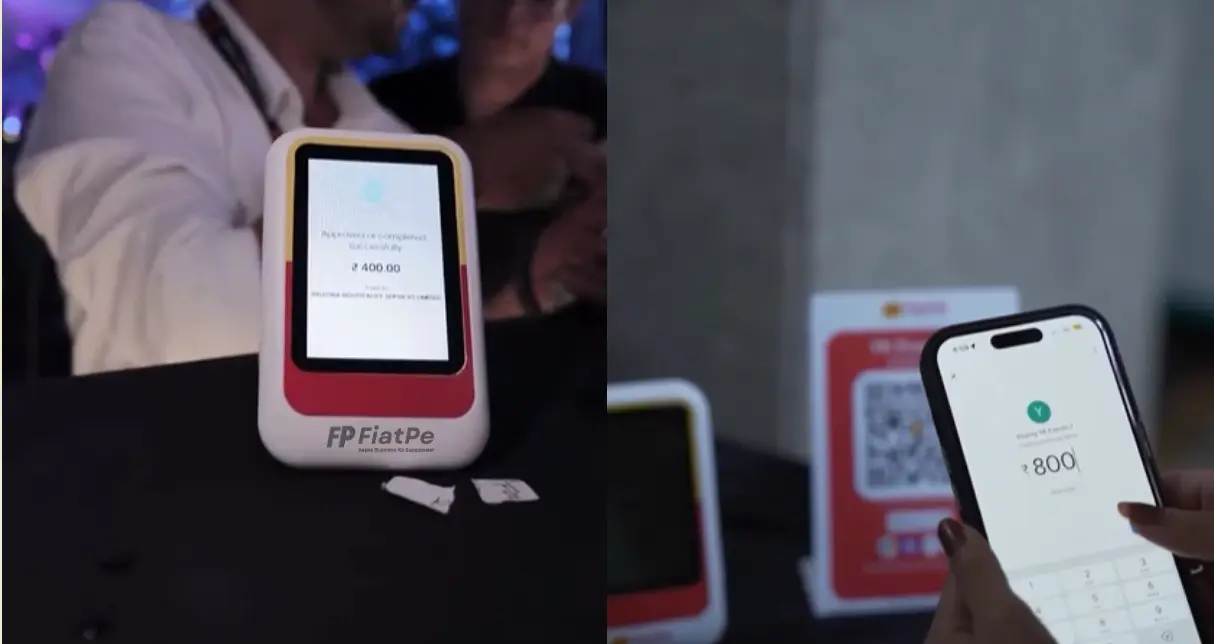
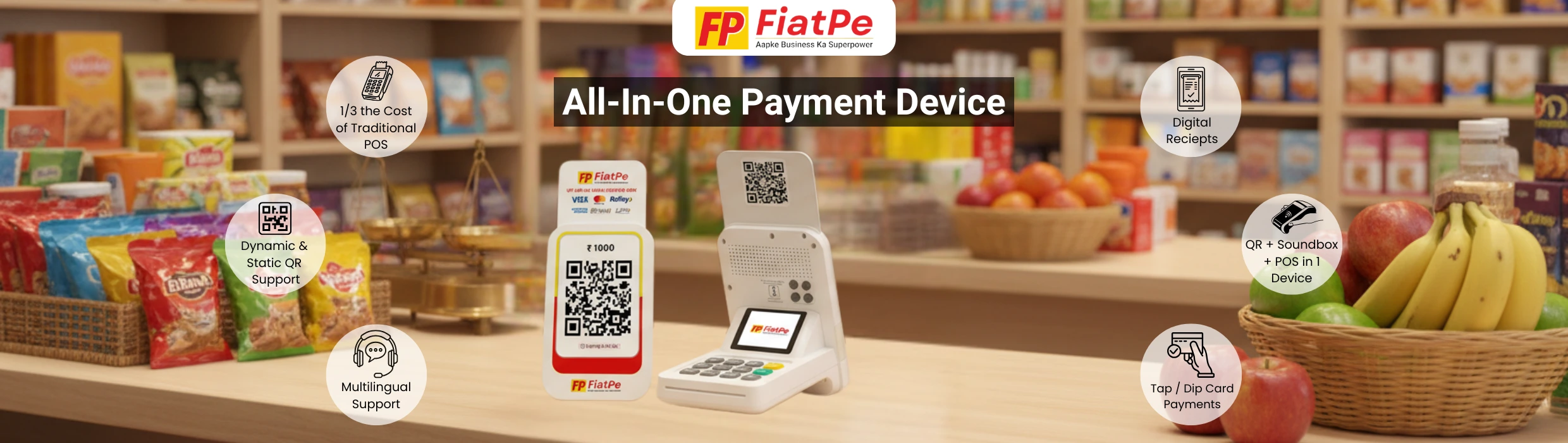
Digital payment acceptance tools such as POS devices and merchant QR codes enable faster checkout and reduce dependency on cash.
Food stalls, beverage counters, and merchandise vendors can therefore focus on serving customers rather than managing payment logistics.
This capability allows concert organisers to onboard a larger number of vendors and create richer experiences for attendees without compromising operational efficiency.
The Infrastructure Behind Modern Live Events
As India’s concert industry continues to grow, payment infrastructure will remain a critical enabler of these large-scale experiences.
Behind every major concert lies a complex network of vendors, organisers, and service providers all relying on seamless financial transactions to keep operations running smoothly.
Closed-loop payment systems built on PPI frameworks are helping support these environments by enabling faster transactions, improved operational visibility, and efficient vendor management within broader fintech payments and unified payments ecosystems.
For attendees, these systems make purchases effortless. For vendors and organisers, they provide the reliability needed to operate high-density commercial environments.
The Future of India’s Concert Economy
In many ways, digital payments have become the invisible infrastructure behind the modern concert economy, enabling large gatherings to function not just as entertainment experiences, but as vibrant temporary marketplaces where commerce moves as quickly as the crowd itself through seamless online payment and bill payment flows.


 Back