People are not unaware of new payment systems because innovation is slow. They are unaware because payments stop drawing attention once they start working reliably.
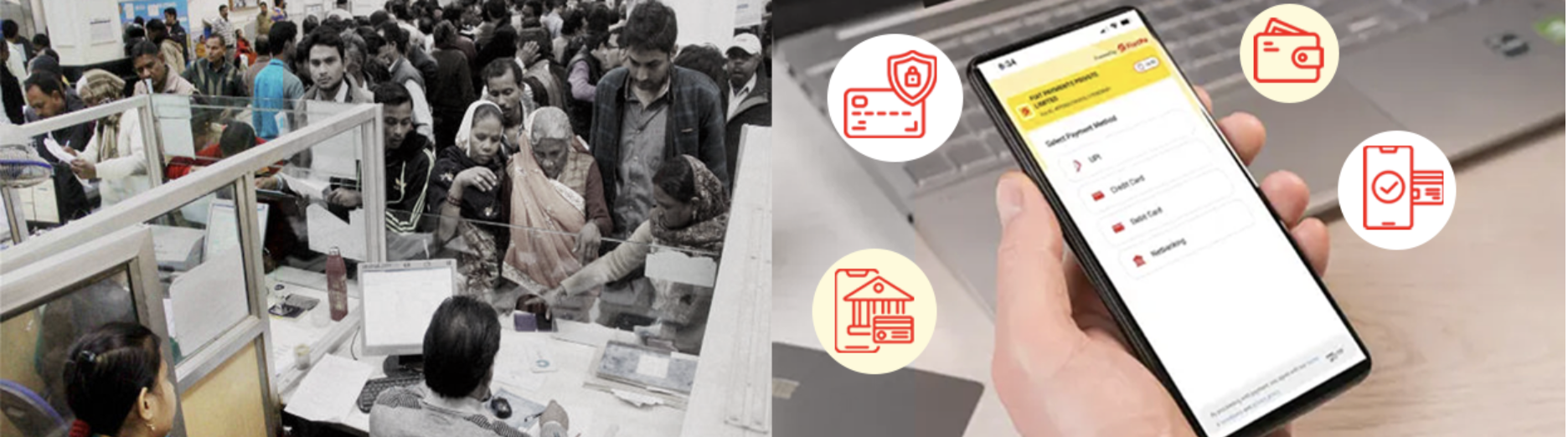
Over the last decade, payments in India have moved quickly from cash to cards, from cards to UPI, and now toward newer, more integrated digital payment systems. While the technology has evolved fast, user awareness has grown much more slowly.
This gap exists because of how habits form, how trust is built, and how people experience payments in daily life, especially at the counter.
Key Takeaways
- Reliable Payments Become Invisible: Once a payment method works consistently, people stop thinking about how it works or whether alternatives exist.
- Familiarity Drives Payment Behaviour: Customers and merchants often prefer payment systems they already know, even when newer solutions offer improvements.
- Innovation Does Not Always Change Habits: Modern payment infrastructure can improve operations behind the scenes without changing the visible customer experience.
- Friction Creates Awareness: Delayed confirmations, settlement mismatches, and fragmented payment setups encourage businesses to explore better solutions.
- Experience Builds Adoption: Awareness of new payment systems grows when people experience simpler, clearer, and more dependable payment workflows.
Payments Disappear Once They Work
Most people notice payments only when something fails.
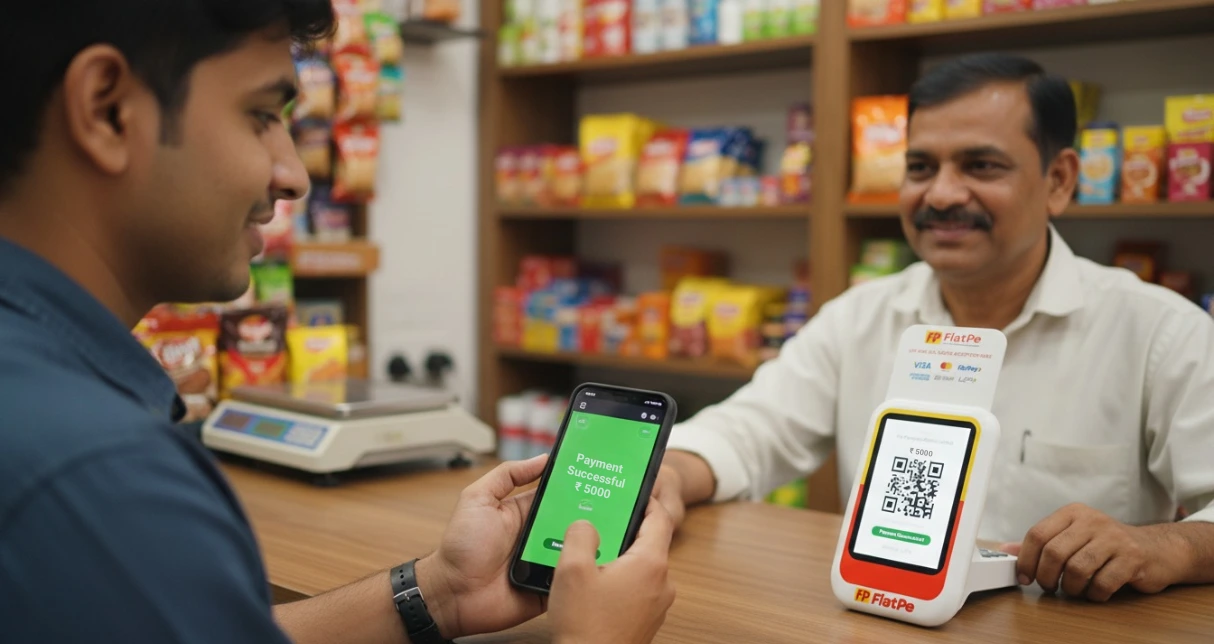
Once UPI payment flows became reliable, scanning a QR code turned into a habit. People stopped thinking about payments altogether and focused only on outcomes. As long as money moved successfully, there was no reason to explore alternatives.
Many newer modern payment systems are designed to improve what happens behind the scenes rather than change visible behaviour.
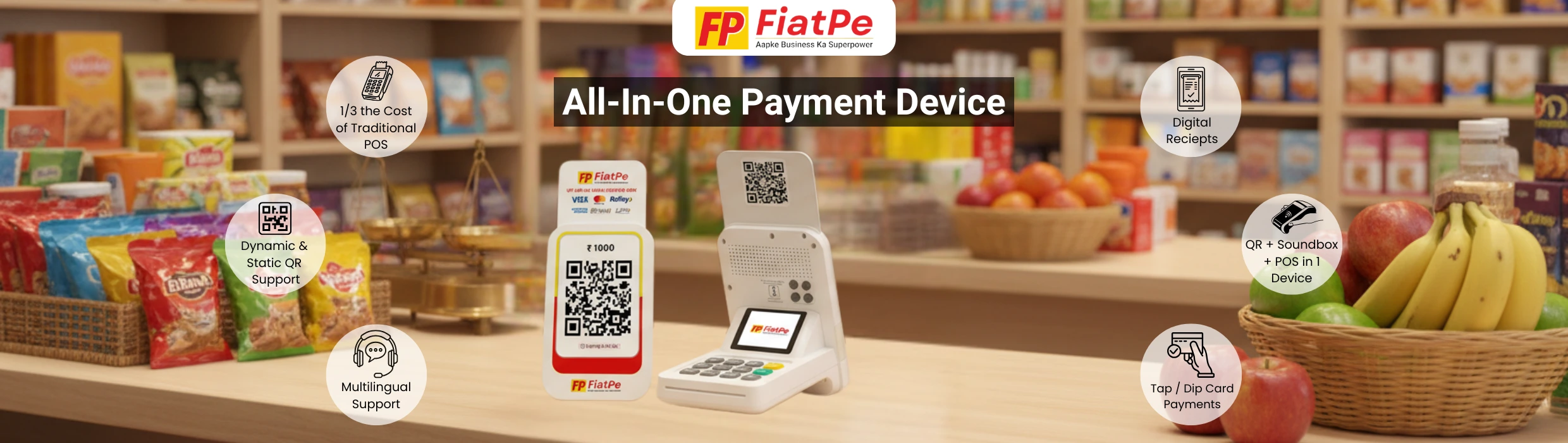
For example, unified merchant platforms like FiatPe combine UPI, QR, card payments, POS, and payment gateway flows into a single system, but the customer experience still feels familiar.
When improvements reduce effort without changing behaviour, they often go unnoticed, which keeps awareness low.
Familiarity Feels Safer Than Improvement
People choose payment systems based on familiarity, not features.
If a method works most of the time, it becomes the default choice, even if newer digital payment services offer better clarity or integration.
For merchants, this effect is stronger. Payment setups evolve gradually and feel dependable simply because they are known, even when multiple devices are involved.
Switching anything related to payment infrastructure introduces perceived risk. That is why many merchants continue with fragmented setups until friction becomes visible.
Integrated solutions like all-in-one payment devices address this quietly by simplifying workflows rather than forcing a behavioural shift.
Awareness Grows Only When Friction Becomes Obvious
People become aware of new payment systems when existing ones start slowing them down.
Delayed confirmations, settlement mismatches, staff hesitation, or customers waiting expose stress points in everyday UPI transaction handling and force users and merchants to question what they are using.
This is usually the moment when simplified systems that combine payments, confirmation, and settlement into one flow start to feel necessary.
Awareness does not grow because something is new. It grows because something feels easier.
The Simple Reason Awareness Lags Innovation
Payments that work disappear from attention.
Payment behaviour forms quickly.
Trust builds slowly.
Complexity hides progress.
Understanding follows experience, not announcements.
This is why fintech payments and unified payments spread quietly at first, and then suddenly feel everywhere as digital payments in India mature, including through payment gateway ecosystems in India.


 Back