Back
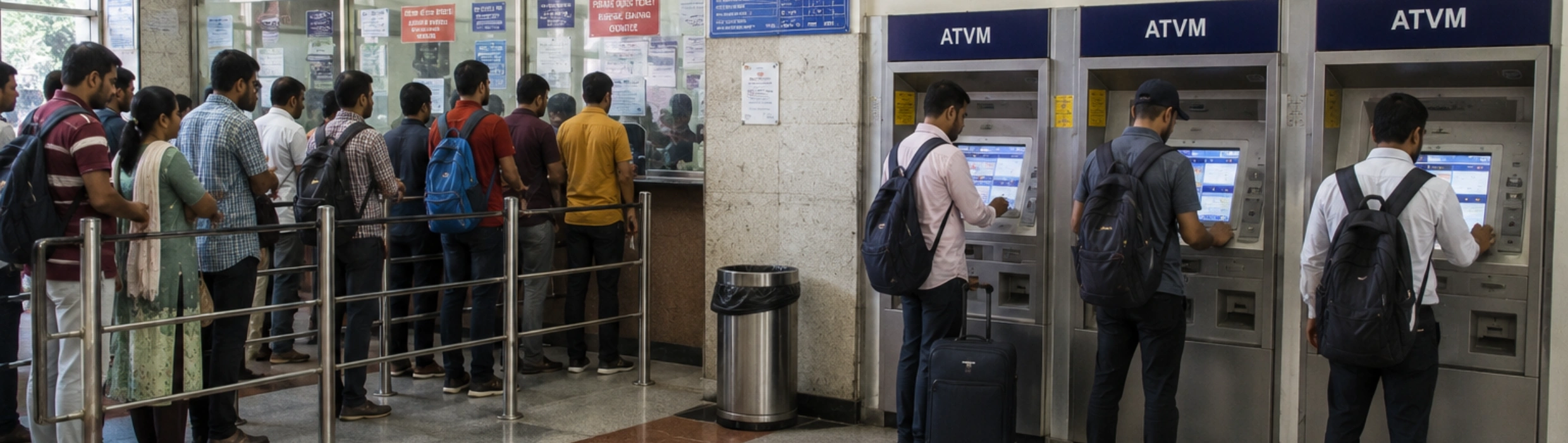
Queues are often seen as a sign that technology has failed.
In reality, they are a sign that confidence has not fully formed.
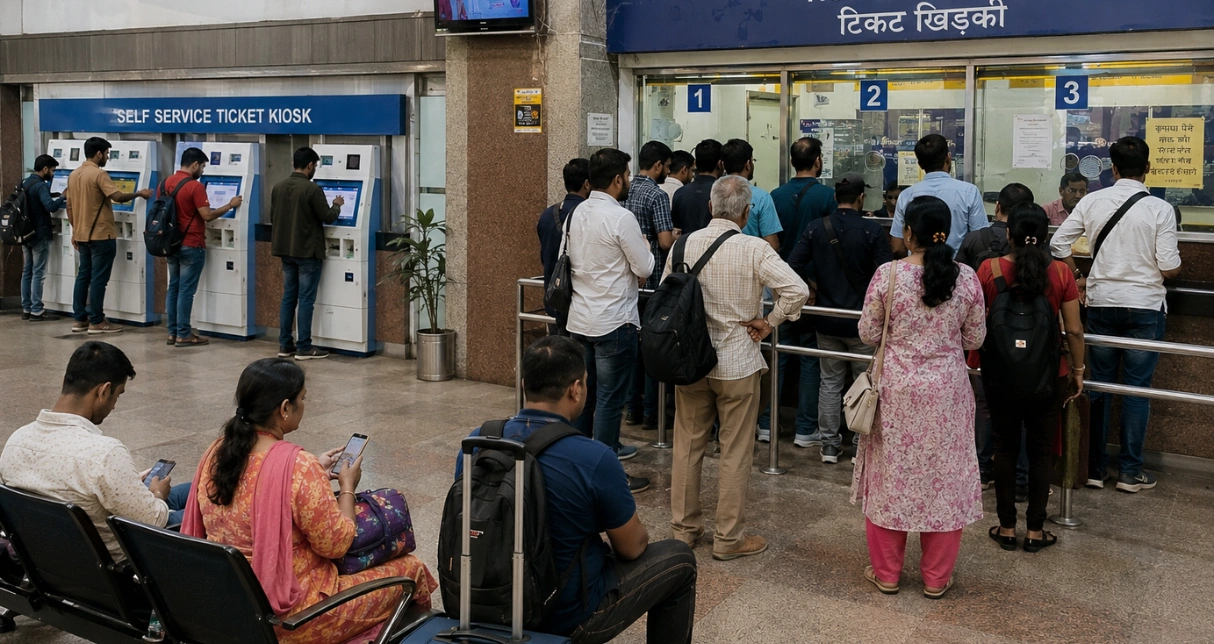
Across many cities, machines and apps are available for everyday tasks like ticketing, self-service machines and digital payment services. Yet people still stand in line.
This behaviour is not always about lack of access. It is about how people make decisions when there is pressure, doubt, time shortage, or fear of making a mistake.
This is one of the quieter challenges of digital payment adoption in India. The system may be available. The app may be working. The machine may be right there. But if the user is not fully sure, the counter still feels safer.
Key Takeaways
- Queues Reflect a Confidence Gap: People often stand in line not because technology is unavailable, but because trust in digital payments has not fully formed.
- Availability Does Not Mean Adoption: Machines, apps and digital payment systems work only when users feel certain about using them.
- Certainty Matters More Than Speed: In stressful moments, people prefer familiar systems that give clear payment confirmation over faster options that create doubt.
- Payment Behaviour Is Built on Trust: Users and merchants adopt digital payments when the process feels predictable, clear and dependable.
- Reliable Infrastructure Changes Habits: Fintech payments and unified payments succeed when they reduce confusion and make every transaction feel complete.
Why Queues Still Exist
People do not stand in queues only because there is no other option.
Many times, the machine is available. The app is available. The digital payment option is available. Still, people choose the counter.
That choice usually comes from comfort. At a counter, the process feels familiar. There is a person in front of them, there is a clear exchange, and there is someone to ask if something goes wrong.
In a stressful moment, this matters. A faster system is useful only when the user feels confident using it. This is why people still stand in queues even when modern digital payment systems are available nearby.
The issue is not always speed. The issue is certainty.
Availability Does Not Mean Adoption
Installing machines or launching apps is only the first step.
Adoption happens when people feel certain using them. Many digital payment systems introduce small moments of doubt, such as a slow screen, delayed payment confirmation, an unfamiliar app-based payment flow, or a machine that asks for one extra step the user did not expect.
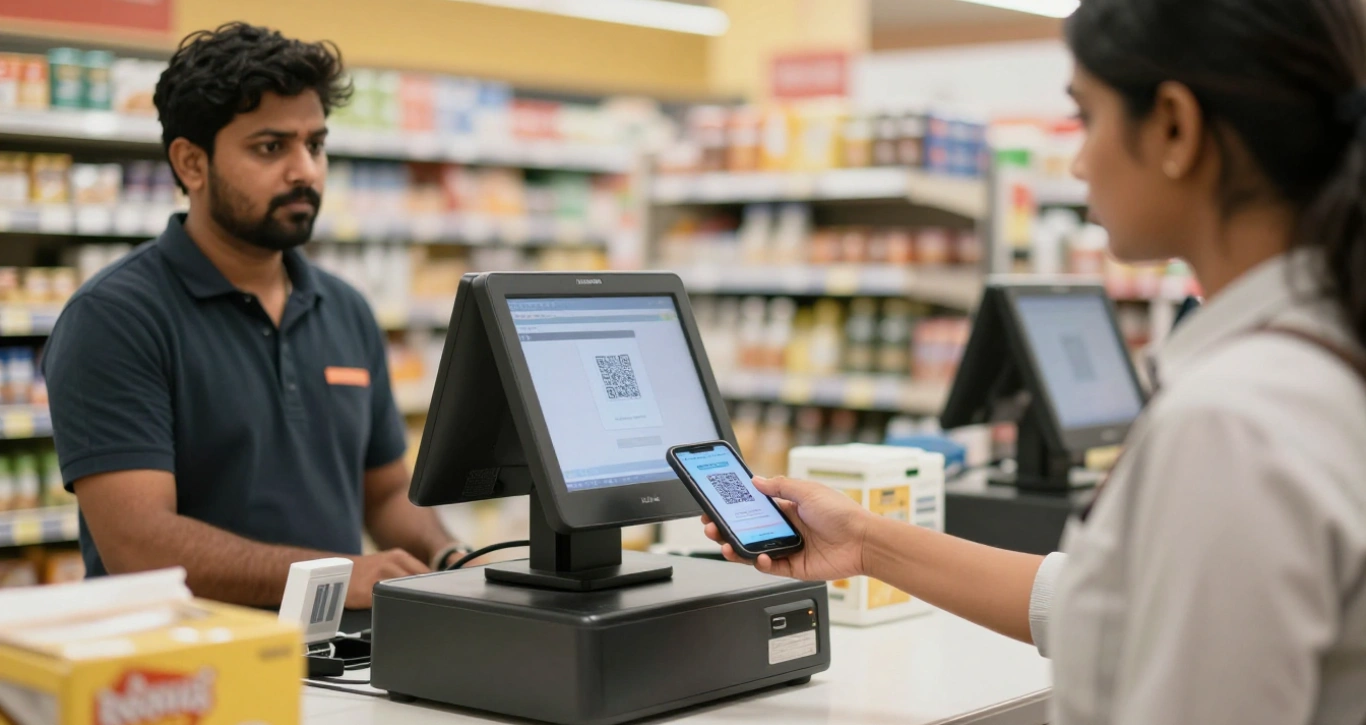
These small doubts can be enough to push people back to what feels safest.
This is why availability does not always lead to adoption. The system may work, but the user also has to believe it will work smoothly for them.
That is one of the key digital payment adoption challenges in India. Access has improved, but confidence still decides behaviour.
Habits Change Slower Than Systems
Digital options for ticketing and payments in India have grown steadily.
People now use apps, QR codes, self-service machines and digital payment services every day. But growth does not mean old habits disappear immediately.
Systems can change quickly. Human behaviour takes longer.
When time feels tight or conditions feel stressful, people usually return to the method they trust most. This is why queues continue to exist even alongside modern payment systems and reliable digital payment services.
The issue is not always whether the digital option is available. The issue is whether people trust it enough to use it without hesitation.
Digital payment adoption in India grows faster when the system feels simple, familiar and dependable.
Familiar Systems Feel Safer
Many users see machines as complicated. Some worry about pressing the wrong option. Some fear money getting deducted without the task being completed. Some are unsure what to do if the screen freezes or the payment confirmation is delayed.
Apps can also feel uncertain when they depend on internet connectivity, login access, OTPs, setup steps, or payment status updates.
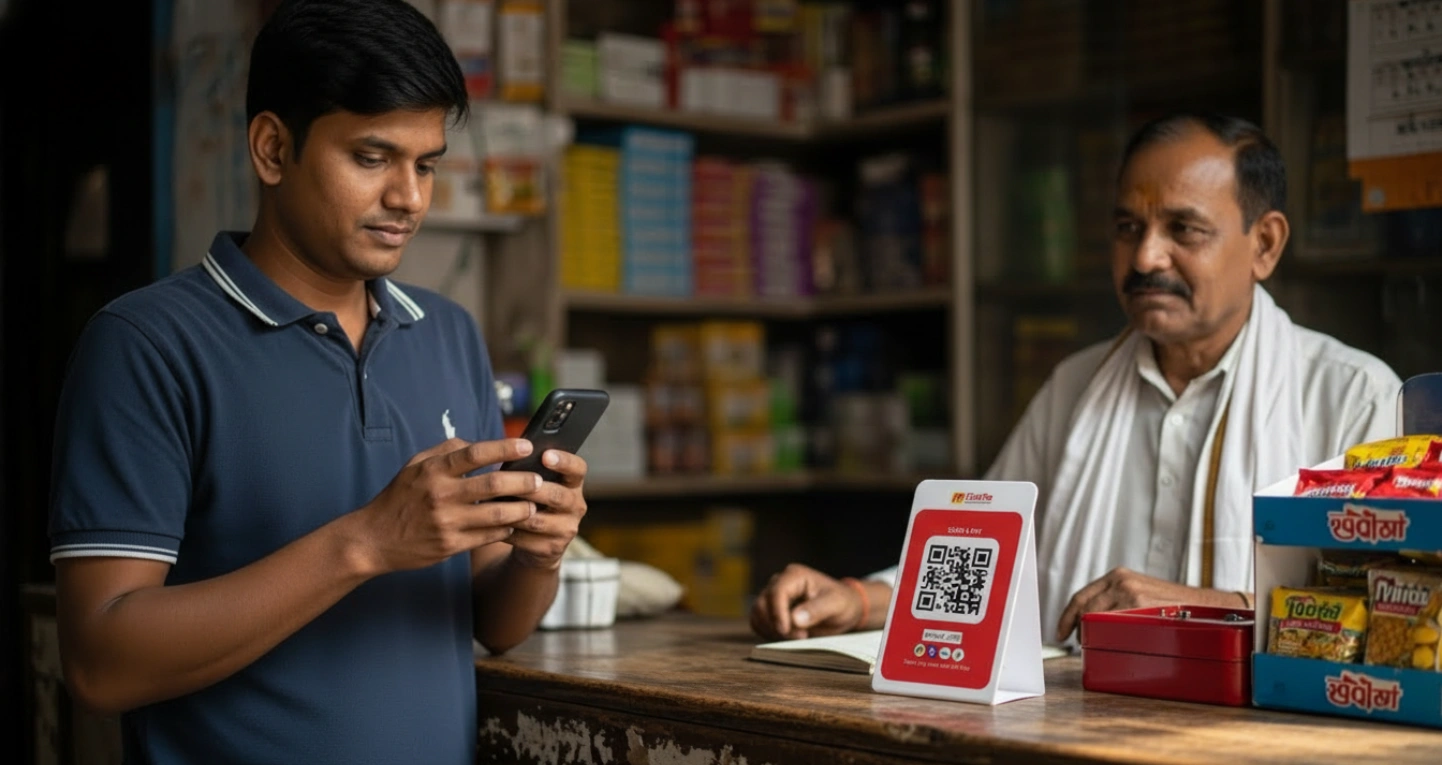
In contrast, human interaction offers reassurance. If something goes wrong, help feels immediate.
This is why payment behaviour is often driven more by certainty than efficiency. People do not always choose the fastest method. They choose the method that feels least risky.
This also explains why people prefer counters over machines in many high-pressure moments.
Payment Confirmation Builds Trust
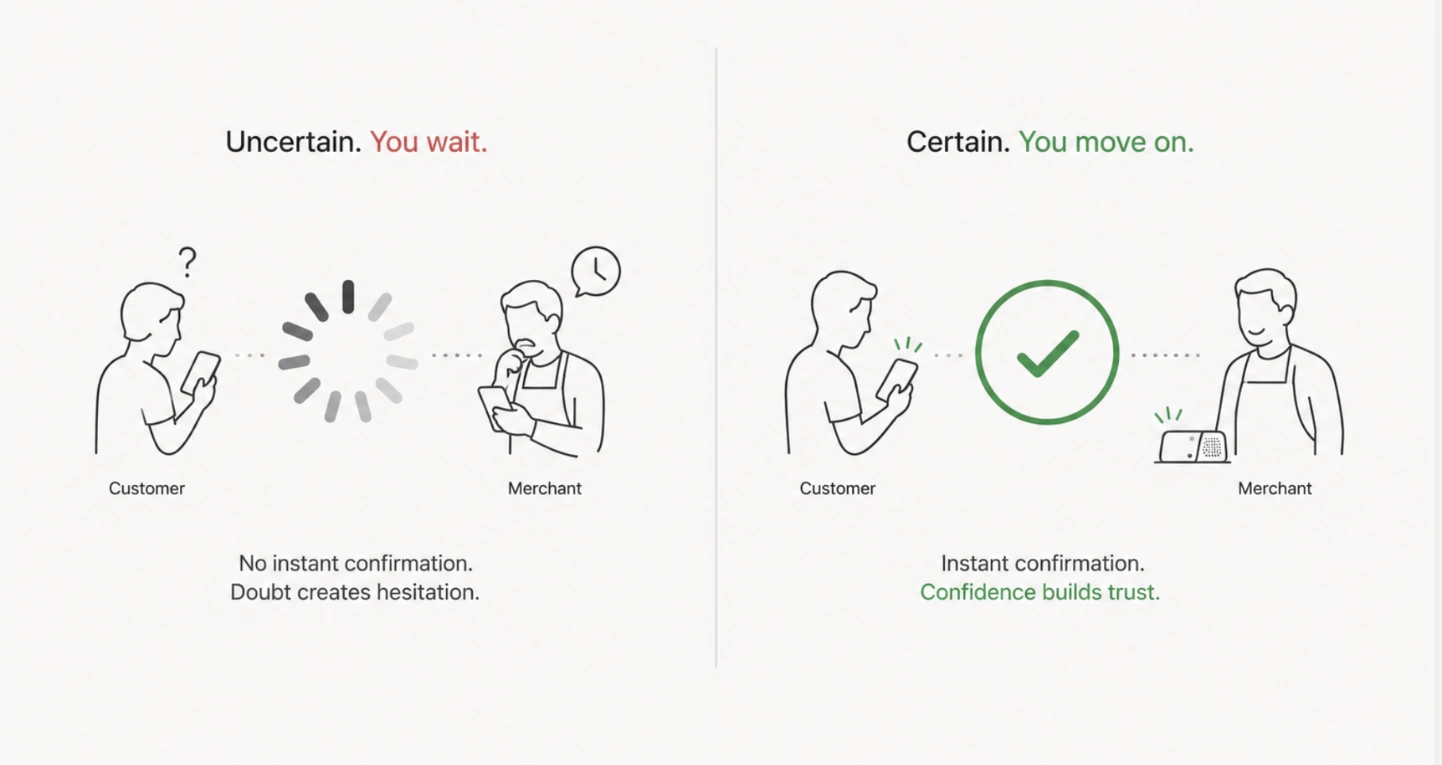
A digital payment is not complete only because money has moved.
It feels complete when both sides know it is complete.
This is where payment confirmation becomes important. A clear message, a quick receipt, a sound alert, a visible transaction status, or an instant update for the merchant can reduce doubt at the right moment.
When confirmation is delayed or unclear, the user may wonder whether the payment has gone through. The merchant may also hesitate because the payment is not visible on their side.
This creates friction. The customer may show a screenshot. The merchant may ask them to wait. Both sides may feel unsure.
A good digital payment system reduces this uncertainty quickly. Trust grows when the system confirms the transaction clearly.
That is how payment confirmation builds trust in everyday digital payments.
This Also Affects Merchants
The same behaviour is visible on the merchant side.
Merchants also need certainty. For a merchant, a payment is complete only when it can be verified clearly.
If payment acceptance, settlement visibility, merchant payment confirmation and reconciliation are spread across different systems, the process starts feeling fragmented.
This creates mental effort. The merchant has to check multiple places. The customer has to wait. The transaction feels less smooth than it should.
This is why reliable fintech payments and unified payments matter. They do not only make payments faster. They make payments easier to trust.
When merchants feel confident about the system, customers also feel more comfortable using it.
Trust in digital payments is not built only on the customer side. It is built at the counter, where both the customer and the merchant need the same thing: clear confirmation.
Confidence Removes Queues
Queues reduce naturally when digital options feel clearly better.
They reduce when the process is faster without confusion. They reduce when confirmation is instant and clear. They reduce when the user knows what to do and the merchant knows the payment has arrived.
Repeated use builds trust. Trust removes hesitation. And when doubt disappears, people slowly stop depending on the counter for reassurance.
Technology works not when it is available, but when it feels dependable.
That is why fintech payments and unified payments succeed quietly. They reduce confusion and make every transaction feel complete.
A reliable digital payment infrastructure does not only process payments. It removes doubt from the moment.
That is how habits change.