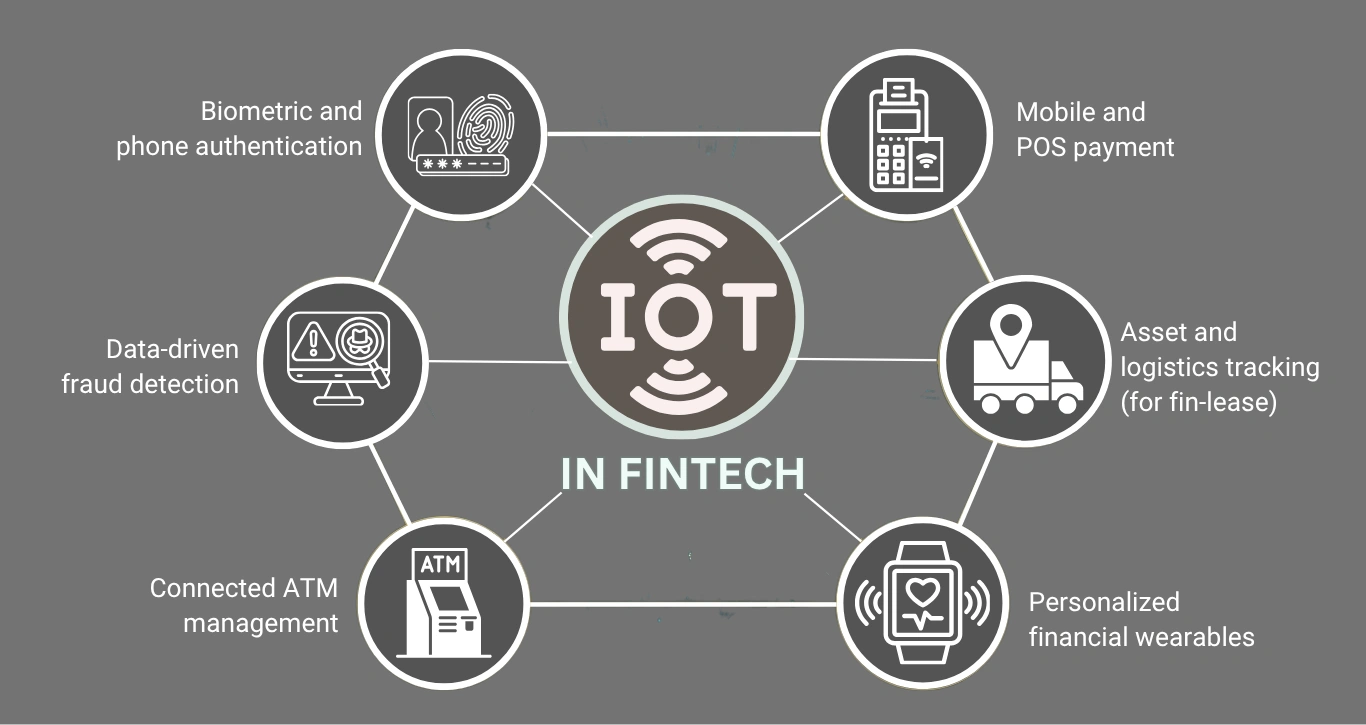
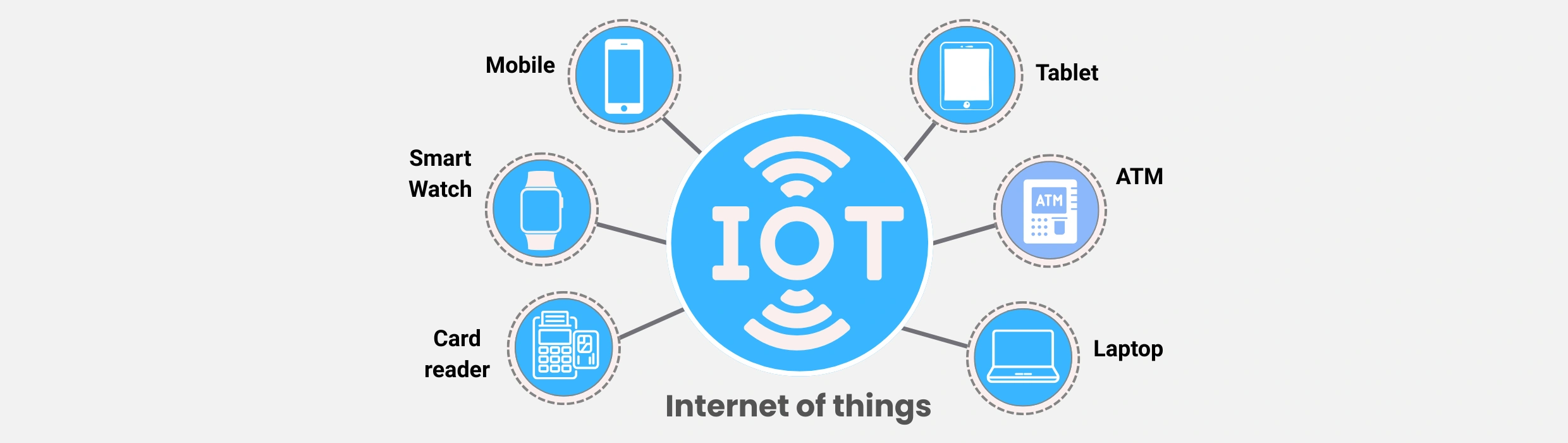
IoT in fintech refers to connected physical devices that can initiate, process or authenticate financial transactions with reduced manual intervention, subject to user authorisation and applicable payment requirements.
Instead of requiring a person to initiate every payment separately, a connected device can trigger a transaction as part of an authorised activity.
The transaction becomes a byproduct of usage rather than a separate action.
What Is IoT in Fintech?
For years, fintech has focused on making payments faster.
UPI made digital transfers faster and more accessible.
QR codes simplified digital payment acceptance.
Dashboards made payment tracking and reconciliation easier.
But the next shift is not only about speed.
It is about payments becoming integrated into connected devices and evolving into invisible payment infrastructure.
This is where IoT in fintech begins to reshape the financial technology landscape.
Key Takeaways
Payments Are Becoming Embedded: IoT in fintech allows connected devices to initiate, process or authenticate transactions as part of everyday activities, subject to appropriate authorisation.
Devices Are Becoming Financial Endpoints: Smart mobility systems, smart POS machines, kiosks, soundboxes and connected QR devices can support payment-related events and generate operational data.
India’s Physical Economy Can Benefit: IoT payments for MSMEs can reduce manual reconciliation effort, improve visibility into settlement status and help connect fragmented payment tools.
Infrastructure Will Matter More Than Apps: The next phase of fintech will increasingly depend on device integration, embedded intelligence and reliable invisible payment infrastructure.
Trust and Security Remain Critical: Secure IoT payments require strong authentication, encryption, interoperability and clear accountability frameworks.
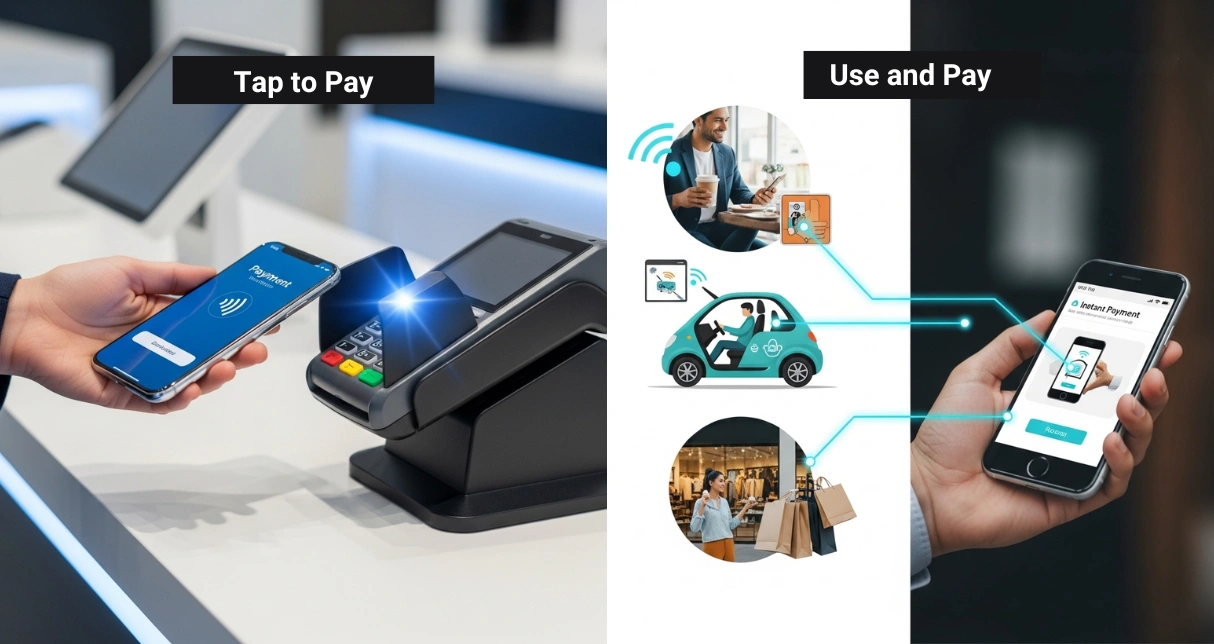
From “Tap to Pay” to “Use and Pay”
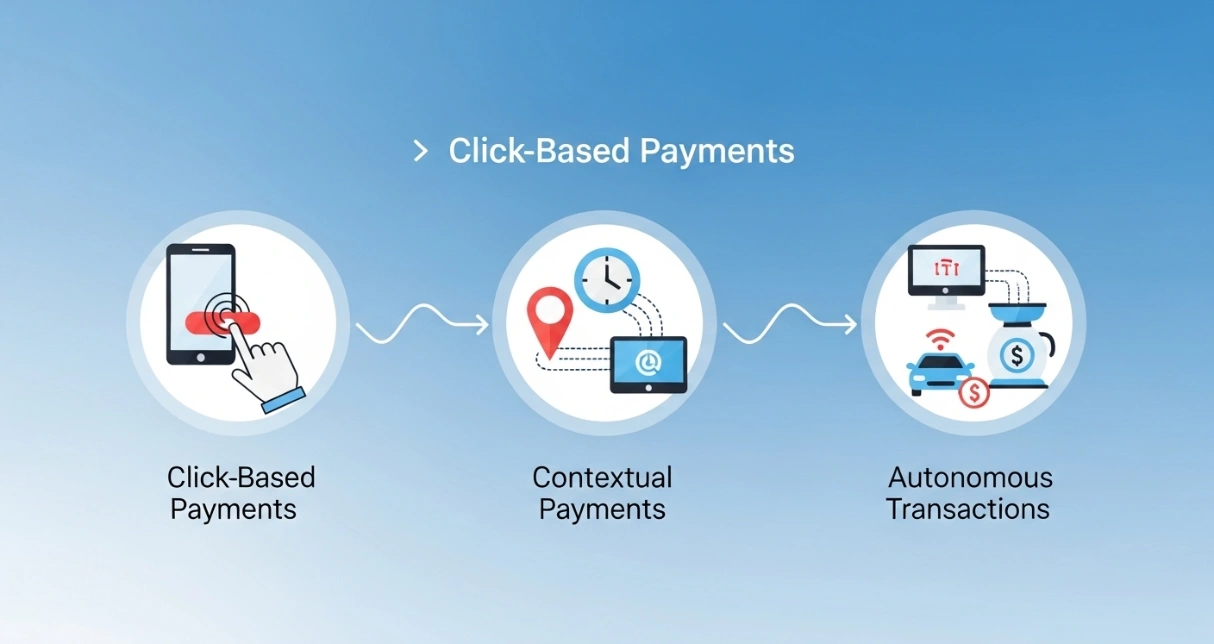
Traditional digital payments generally require users to initiate a transaction.
You Scan→You Enter→You Confirm
IoT-enabled payment systems can reduce these separate steps by integrating payments directly into a product, service or activity.
Payment becomes part of the experience, bringing digital transactions closer to contextual and embedded payments.
Depending on the system and its authorised configuration, a connected device may identify:
Who is using the service
What service is being consumed
How much needs to be charged
Which authorised payment method should be used
Real-World Use Cases Already Emerging
1. Smart Mobility Payments
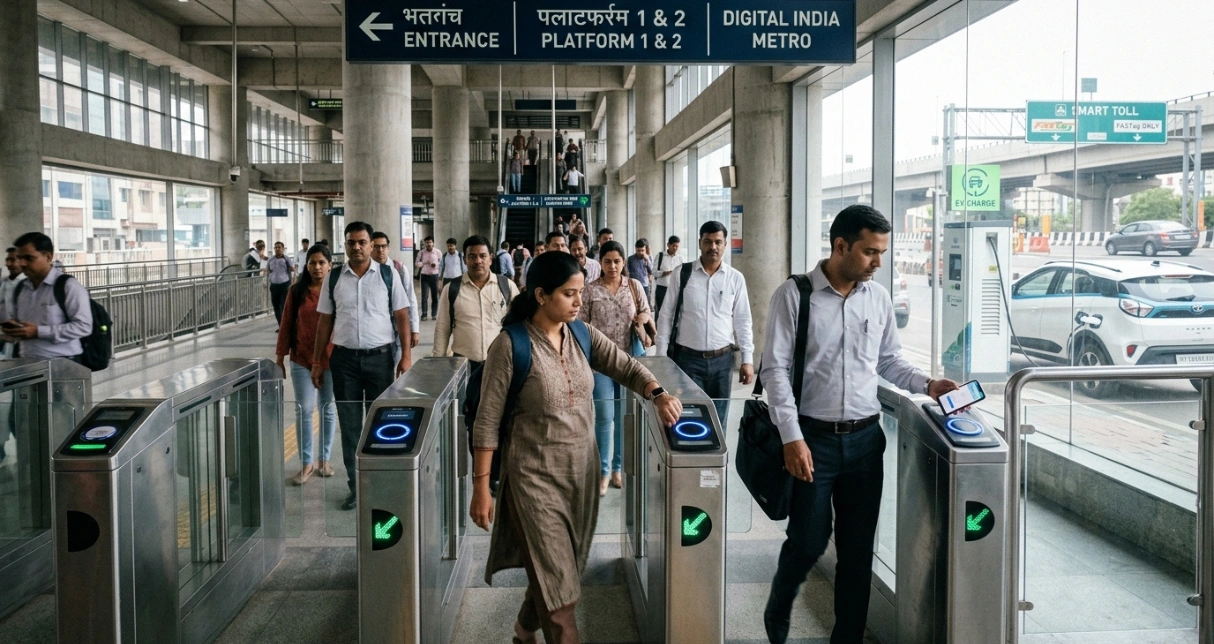
Metro gates, toll systems and EV charging stations are becoming connected financial endpoints through smart mobility payment solutions.
Instead of completing a separate checkout process for every activity, commuters can use supported systems that process payments through previously authorised methods.
The infrastructure can manage:
Identity or credential verification
Fare or usage-based charge calculation
Payment processing and settlement routing
Transaction logging and reporting
This is an example of how connected infrastructure can support frictionless commerce.
2. Connected Retail Environments
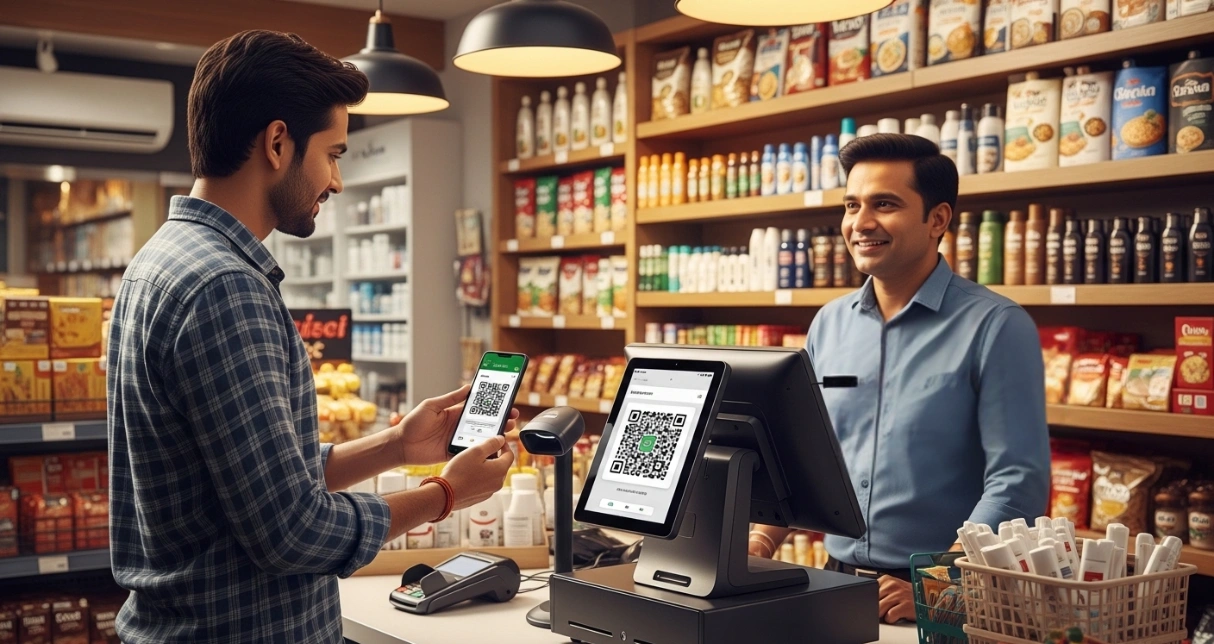
Smart POS machines, connected vending systems and unattended kiosks can integrate payment acceptance with operational processes.
Depending on their capabilities and integrations, these systems can:
Detect product or service usage
Initiate supported payment transactions
Update inventory records automatically
Synchronise financial records with connected business systems
The store is no longer just accepting payments.
It can also generate financial and operational data through connected retail payment infrastructure.
Device-Led Merchant Ecosystems
Soundboxes, payment terminals and integrated QR devices are evolving into connected payment devices that can generate useful transaction and operational data.
When integrated with suitable software and analytics systems, these devices can help businesses:
Track peak transaction hours
Analyse working capital patterns
Identify potential settlement anomalies
Reduce manual reconciliation effort
In this model, the payment device becomes more than a transaction acceptance tool.
It can serve as a source of payment device intelligence, helping merchants understand transaction activity and make better-informed operational decisions.
Usage-Based Financial Services
IoT allows financial services to be connected more closely with actual product or service usage.
With appropriate data access, user consent and financial partnerships, connected systems may support usage-based financial services.
Examples include:
Pay-per-use machinery financing
Insurance pricing that considers connected-device usage data
Automated subscription billing tied to consumption
These models can help align financial products with how businesses and consumers actually use services.
Rather than relying only on fixed schedules or traditional financial indicators, eligible financial services may incorporate verified usage data into their processes.
Finance becomes more contextual and connected to real economic activity.
Why IoT Matters Especially for India
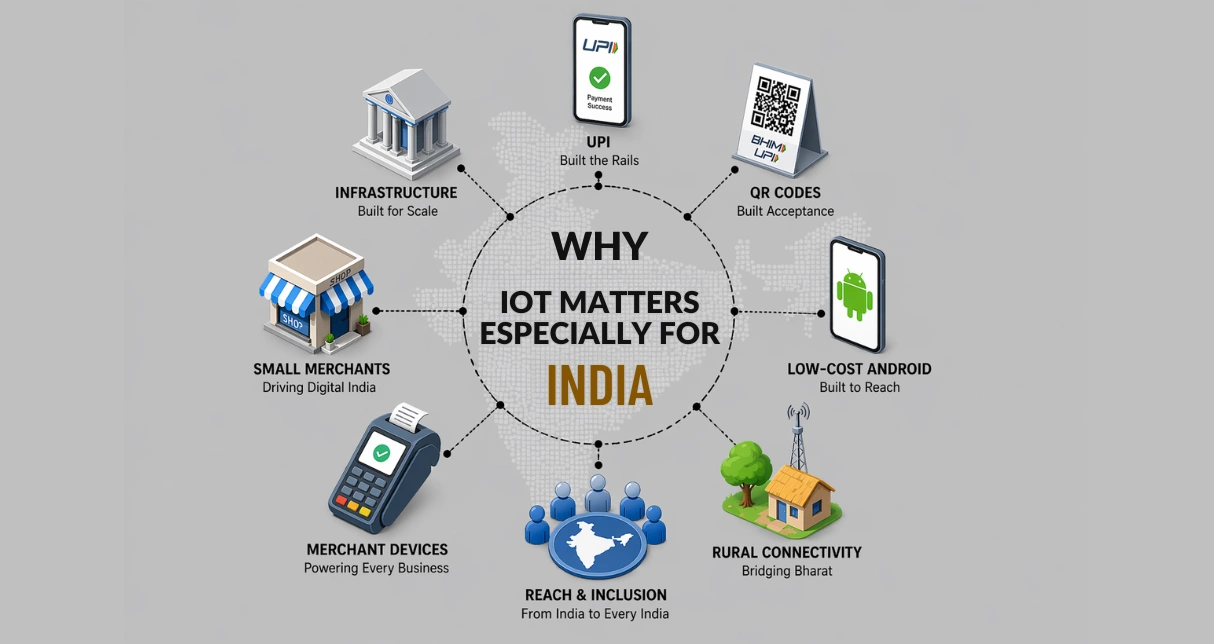
India’s digital payment adoption has been supported by the development of accessible payment infrastructure.
UPI established interoperable digital payment infrastructure.
QR codes expanded digital payment acceptance.
Affordable connected devices helped businesses adopt digital services.
IoT can build on this foundation by connecting financial services with India’s physical economy and strengthening digital payment infrastructure.
For MSMEs, connected payment infrastructure can support:
Reduced manual reconciliation effort
Improved visibility into settlement status
Better integration between payment tools
More timely visibility into cash flow
IoT payments for MSMEs are not simply about futuristic smart homes or advanced consumer gadgets.
They are about making kirana stores, logistics businesses, transit systems and service providers more financially connected.
The Data Layer Becomes More Valuable Than the Payment Layer
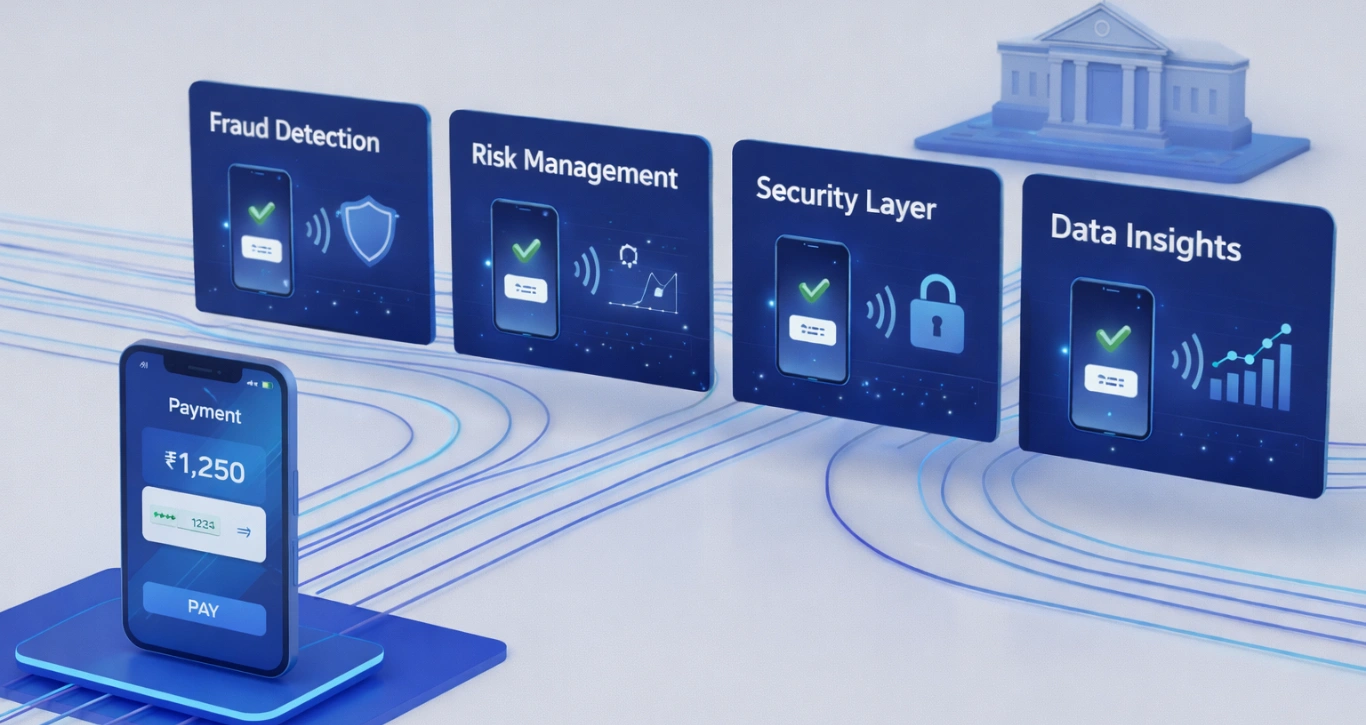
When connected devices support payment activities, fintech companies and authorised service providers may gain access to valuable operational and transaction data.
With appropriate permissions and data protection controls, this information can provide context beyond the transaction amount.
It may help businesses understand:
Where a transaction occurred
When the transaction took place
What activity triggered the transaction
How the payment was processed
How frequently similar transactions occur
When used responsibly, this data may support:
Predictive lending and credit assessment models
Dynamic merchant insights
Risk assessment informed by operational activity
IoT can help fintech companies move beyond transaction processing towards more comprehensive financial and operational intelligence.
What Comes Next
Over the coming years, fintech may continue moving towards increasingly integrated payment experiences.
As connected technology develops, financial services may become more deeply integrated into everyday products and activities.
The next generation of payment infrastructure may support ecosystems where:
Connected devices communicate with integrated systems
Authorised transactions are processed automatically
Financial services become part of everyday activities
The future of fintech may depend less on introducing another interface and more on developing reliable infrastructure that works seamlessly in the background.
The Challenges That Must Be Solved
Greater automation and connectivity also introduce important responsibilities for financial institutions, payment providers and technology companies.
Security
Every connected payment device can introduce potential security risks. Strong authentication, encryption, device protection and transaction monitoring are essential for secure IoT payments.
Interoperability
Connected devices from different manufacturers need compatible technologies and supported integrations to work across payment infrastructure.
Regulatory Alignment
Automated payments must comply with applicable financial regulations, authorisation requirements and data protection obligations. Clear accountability remains essential.
Trust
Users must have confidence that automated payments are transparent, properly authorised and manageable through appropriate controls.
From Better Apps to Better Infrastructure
The first generation of fintech competed on:
Better applications
Faster user experiences
Cashback and promotional incentives
The next generation may increasingly compete on:
Device integration
Embedded intelligence
Reliability of invisible payment infrastructure
As connected payment technology becomes more widely adopted, consumers and businesses may be able to complete more activities without navigating a separate payment interface each time.
Final Thought
Fintech began by digitising money.
IoT is now creating opportunities to connect economic activity directly with financial services.
When connected devices and authorised payment systems work together, payments can become an integrated part of everyday activities rather than a separate step.
The future of fintech is not simply another app or payment interface. It is secure, reliable and connected infrastructure that makes financial transactions a seamless part of everyday life.
What is IoT in fintech?
−
IoT in fintech refers to the use of connected physical devices to support financial transactions and services. These devices can initiate, authenticate or facilitate payments as part of everyday activities, reducing the need for separate payment interactions.
How does IoT work in digital payments?
+
IoT-enabled payment systems connect devices with payment infrastructure. When a predefined activity occurs, such as using an EV charging station or purchasing from a smart vending machine, the system can initiate a payment through an authorised payment method.
What are invisible payments in fintech?
+
Invisible payments are transactions integrated into everyday activities without requiring users to complete a separate checkout process each time. Examples include automated toll payments and authorised usage-based payments.
What are examples of IoT payment devices?
−
Examples include smart POS terminals, connected vending machines, automated kiosks, EV charging stations, toll collection systems and other devices integrated with digital payment infrastructure.
How are IoT payments used in smart mobility?
+
IoT payments can support automated transactions in toll collection, public transport and EV charging. Connected systems identify the service used, calculate the applicable amount and process payments through supported, authorised payment methods.
How do connected retail devices improve payment operations?
+
Connected retail devices can integrate payment acceptance with inventory tracking, transaction reporting and other business systems. This helps merchants reduce manual processes and maintain better visibility into daily operations.
How can IoT payments benefit MSMEs in India?
−
IoT-enabled payment systems can help MSMEs automate routine payment activities, improve transaction tracking and connect payment records with business operations. This can reduce manual effort and support more efficient financial management.
How do IoT devices support automated payment reconciliation?
+
Connected devices can transmit transaction information to integrated payment and accounting systems. This allows businesses to match payment records with operational activity more efficiently, reducing manual reconciliation effort.
Can IoT payment devices provide real-time business insights?
+
Yes. Connected payment devices can provide transaction data that helps businesses understand payment activity, peak transaction periods and usage patterns. These insights can support inventory planning, operational decisions and cash-flow monitoring.
What is the difference between embedded payments and traditional digital payments?
−
Traditional digital payments generally require users to initiate a transaction through an app, card or QR code. Embedded payments integrate the payment process directly into a product, service or activity, making transactions more seamless.
What are usage-based financial services in IoT?
+
Usage-based financial services link charges or financial terms to actual product or service usage. Examples include pay-per-use equipment models, consumption-based subscriptions and insurance products that consider connected-device data.
How can IoT data support financial decision-making?
+
IoT devices can generate information about usage patterns, transaction frequency and operational activity. When collected and used lawfully, this data may support risk assessment, financial forecasting and more personalised financial services.
Are IoT payments secure?
−
IoT payments can be secure when supported by appropriate authentication, encryption, device security and transaction monitoring. Payment providers must also address risks such as unauthorised access, compromised devices and data privacy.
What are the biggest challenges of IoT adoption in fintech?
+
Major challenges include cybersecurity, device compatibility, data protection, regulatory compliance and user trust. Businesses must also ensure that automated transactions remain transparent, authorised and manageable.
What is the future of IoT in fintech?
+
IoT is expected to support greater integration between connected devices, payment systems and financial services. As technology develops, more transactions may become automated and embedded into everyday activities, with security, user authorisation and reliability remaining essential.
May 01, 2026 By FiatPe IoT in fintech refers to connected physical devices that can initiate, process or authenticate financial transactions with reduced manual intervention, subject to user authorisation and applicable payment requirements. Instead of requiring a person to initiate every payment separately, a connected device can trigger a transaction as part of an authorised […]
August 29, 2025 By FiatPe India’s credit landscape is evolving faster than ever before. What began as a wave of consumer-focused Buy Now Pay Later (BNPL) models has now matured into a broader B2B credit revolution led by fintech innovation. This shift is reshaping how businesses, especially MSMEs, access and manage credit. The story is […]
November 12, 2025 By FiatPe UPI has changed the way India pays, making instant transactions as easy as sending a message. From street vendors to large enterprises, millions of Indians now use UPI daily for convenience and speed. However, as usage grows, so does the creativity of online fraudsters. The rise of UPI frauds and […]
December 25, 2025 By FiatPe For decades, traditional banking formed the backbone of how businesses managed money. Accounts, transfers, statements, and end-of-day reconciliations defined how value moved through the system. The model worked well for its time, but it was built for a slower, more predictable pace of commerce. Digital payments did not replace banking. […]



 Back