Multiple Payment Options
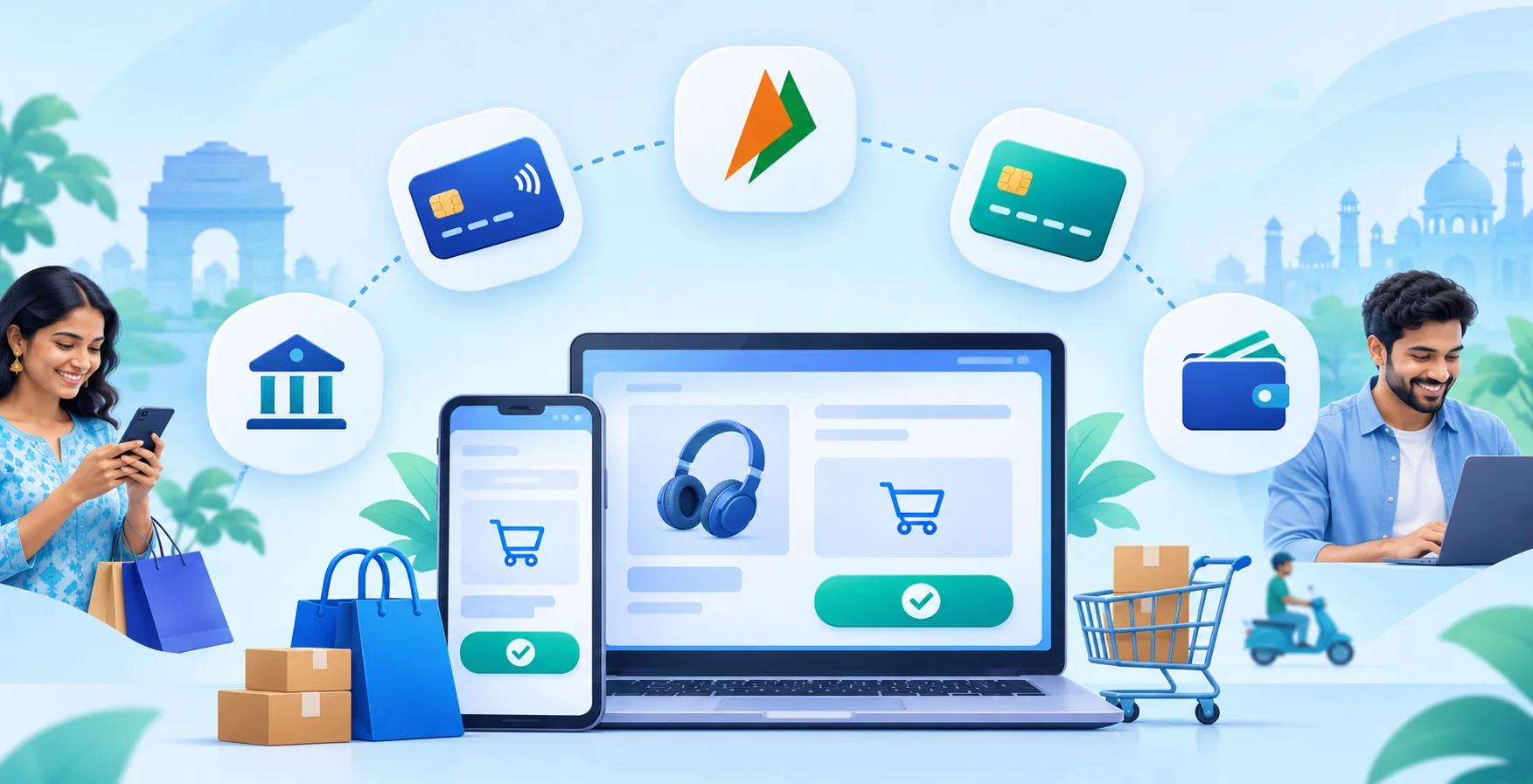
A payment gateway should support payment methods relevant to the business’s target customers, including UPI, credit cards, debit cards and net banking.



 Back
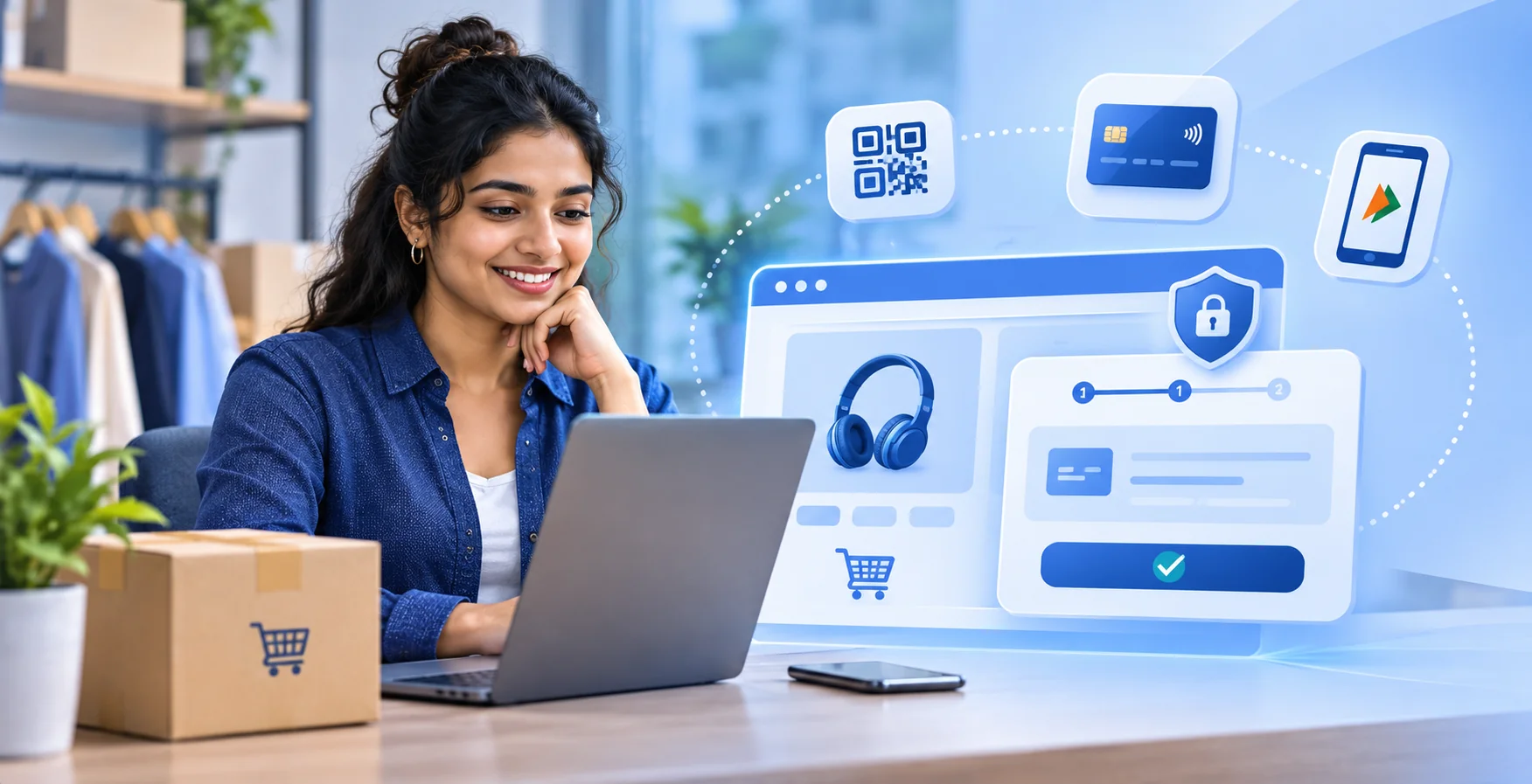
A customer visits your online store, explores your products, adds something to their cart and proceeds to checkout. Everything seems to be going well until the payment fails, their preferred payment method is unavailable, or the checkout process becomes unnecessarily complicated.
Within seconds, a potential sale can turn into an abandoned cart.
For e-commerce businesses, accepting payments is not simply the final step of a purchase. It is an essential part of the customer experience that can influence conversions, customer satisfaction and long-term business growth.
With the increasing adoption of UPI, debit cards, credit cards and other digital payment methods in India, businesses need reliable payment infrastructure that supports changing customer expectations.
This is where an e-commerce payment gateway plays an important role.
An e-commerce payment gateway is a technology that enables businesses to securely accept online payments through their websites, mobile applications or digital platforms.
It facilitates communication between the customer, merchant, payment processing network and relevant financial institutions to initiate, authenticate and authorise transactions.
Whether a customer purchases clothing from a D2C brand, orders groceries through an application or pays for an online service, a payment gateway helps facilitate the transaction.
Depending on the provider, an online payment gateway can support multiple payment methods, including:
By integrating these payment options into a single checkout experience, businesses can offer customers greater flexibility while simplifying payment acceptance.
India’s digital commerce ecosystem has evolved significantly. Online shopping is no longer limited to metropolitan cities or established retail brands. Small businesses, MSMEs, D2C brands and emerging entrepreneurs are increasingly selling products and services through digital channels.
However, building an online store is only one part of running an e-commerce business. Businesses must also ensure that customers can complete purchases conveniently and securely.
A reliable e-commerce payment gateway helps businesses address several operational challenges.
Customers may abandon their purchases when they encounter complicated checkout processes, unavailable payment methods or repeated transaction failures.
A well-integrated payment gateway can help reduce payment-related friction and improve the overall checkout experience.
Different customers have different payment preferences. While some prefer the convenience of UPI, others may choose credit cards, debit cards or net banking.
Providing multiple payment options allows customers to complete purchases using their preferred payment method.
Customers expect their financial information to be handled securely when shopping online.
Payment gateways that incorporate appropriate encryption, authentication and security controls can help businesses establish greater confidence during checkout.
As transaction volumes increase, manually tracking payments, refunds and settlements becomes increasingly difficult.
A centralised payment dashboard helps merchants monitor transactions, access reports and manage payment-related operations more efficiently.
An online payment gateway allows businesses to accept payments from customers across different locations without depending on a physical point of sale.
This makes digital payment acceptance particularly valuable for businesses looking to expand beyond their existing geographical markets.
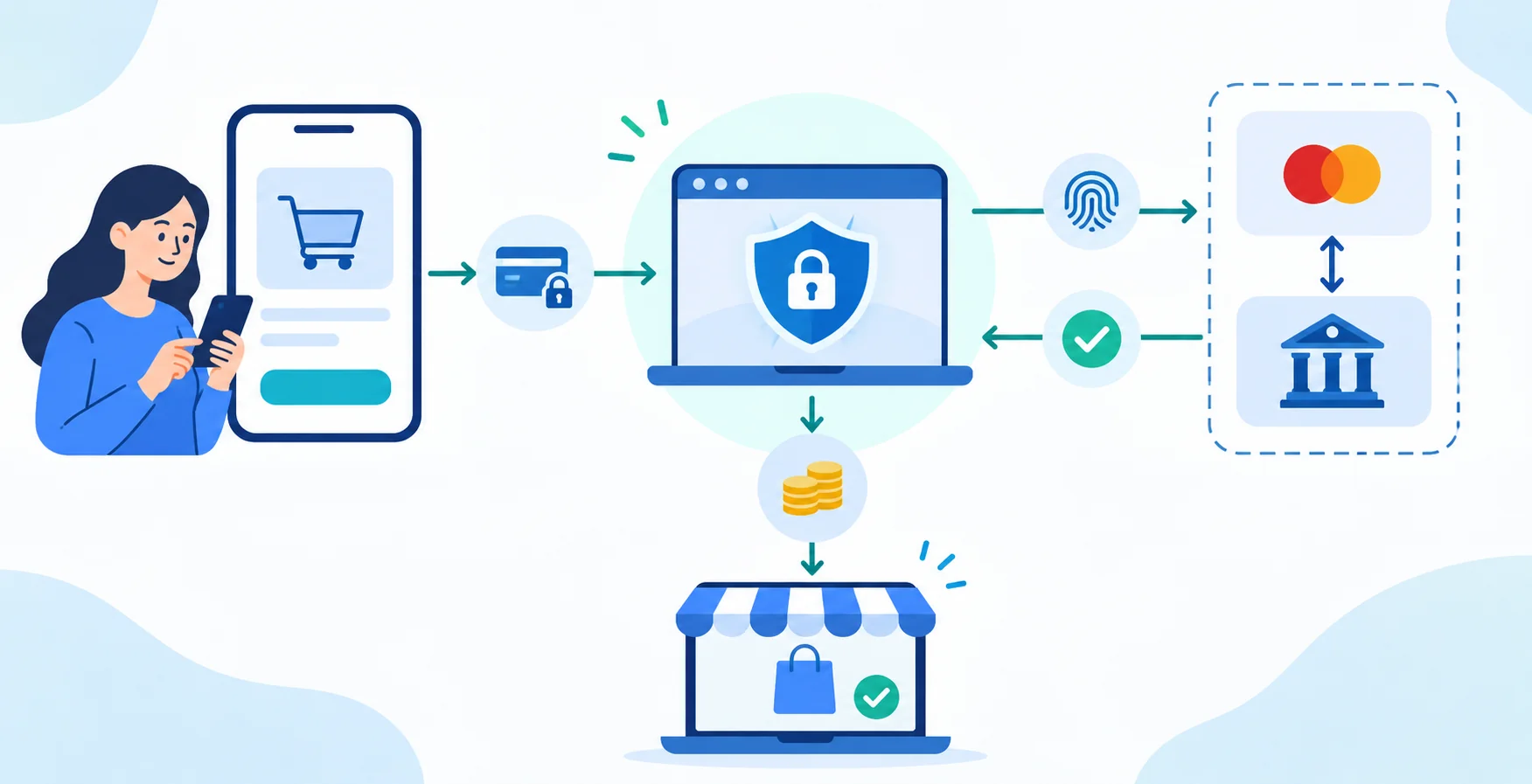
Although an online payment may take only a few seconds to complete, several processes take place behind the scenes.
Here is how a typical e-commerce payment transaction works.
The customer selects a product or service, proceeds to checkout and chooses an available payment method.
The payment gateway securely captures and transmits the required transaction information to the relevant payment processing network.
Sensitive payment information is protected using applicable security mechanisms.
The transaction is routed to the relevant bank or payment network for verification.
Depending on the payment method, customers may be required to authenticate the transaction using an OTP, UPI PIN or another approved authentication mechanism.
Once the transaction is approved or declined, the payment gateway communicates the status to the merchant’s website or application.
The customer receives the relevant payment confirmation, while the merchant can proceed with order fulfilment after verifying successful payment.
Following successful payment processing, the eligible transaction amount is settled into the merchant’s registered bank account according to the applicable settlement schedule.
Merchants can track settlement details and reconcile payments through their payment management dashboard.
It is important to understand that payment confirmation and settlement are two different processes. A successful customer payment does not necessarily mean that the funds have already reached the merchant’s bank account.
Businesses can choose different payment gateway integration models depending on their technical requirements, checkout preferences and operational capabilities.
A hosted payment gateway redirects customers to a payment page managed by the payment service provider.
Once the payment is completed, customers are redirected back to the merchant’s website.
This approach is suitable for businesses looking for a relatively straightforward integration with reduced responsibility for handling sensitive payment information directly.
An integrated payment gateway enables businesses to incorporate payment functionality into their website or mobile application.
Depending on the integration model, businesses can offer a more consistent checkout experience while maintaining greater control over the customer journey.
API-based payment gateway integration allows businesses to connect payment functionality with their existing websites, applications and business systems.
This approach is particularly useful for businesses requiring customised payment workflows, automated transaction updates and greater technical flexibility.
API-based integrations can also form part of an integrated payment gateway. The applicable security and compliance responsibilities depend on how the integration is implemented.
Choosing a payment gateway involves more than comparing transaction charges. Businesses should evaluate how the payment infrastructure supports their everyday operations and future growth.
A payment gateway should support payment methods relevant to the business’s target customers, including UPI, credit cards, debit cards and net banking.
Transaction reliability is particularly important during festive sales, promotional campaigns and periods of increased customer traffic.
Businesses should evaluate payment success rates, transaction performance and the provider’s ability to handle their expected transaction volumes.
Security should remain a priority when selecting an online payment gateway.
Businesses should evaluate applicable PCI DSS compliance, encryption practices, authentication mechanisms, fraud monitoring capabilities and relevant regulatory requirements.
A payment gateway should integrate effectively with the merchant’s existing website, mobile application or e-commerce platform.
Developer-friendly APIs, SDKs, technical documentation and webhooks can help simplify integration and payment management.
Understanding when payments will be credited to the merchant’s bank account is essential for managing cash flow.
Businesses should look for clear settlement timelines, accessible settlement reports and visibility into transaction deductions.
Returns and cancellations are a regular part of e-commerce operations.
A payment gateway should provide merchants with the necessary tools to initiate refunds, monitor transaction status and track payment-related activities.
Access to transaction data helps businesses understand their payment performance.
A centralised merchant dashboard can simplify transaction tracking, payment reconciliation, settlement monitoring and financial reporting.
Payment-related issues can directly affect business operations and customer experience.
Access to reliable technical and operational support is important, particularly when businesses encounter transaction failures, integration challenges or settlement-related queries.
There is no single payment gateway that is ideal for every business. The right choice depends on your business model, transaction volumes, customer preferences and operational requirements.
Consider the following factors before selecting a payment gateway:
| Factor | What Businesses Should Evaluate |
|---|---|
| Payment Methods | Availability of payment options preferred by customers |
| Pricing | Transaction charges, setup fees and other applicable costs |
| Security | Applicable compliance standards and security controls |
| Integration | Compatibility with existing websites and applications |
| Payment Performance | Transaction reliability and payment success rates |
| Settlements | Settlement timelines and reporting capabilities |
| Scalability | Ability to support growing transaction volumes |
| Customer Support | Availability of technical and operational assistance |
| Dashboard | Transaction tracking, refunds and reconciliation |
While pricing is an important consideration, choosing a payment gateway solely because it offers lower transaction charges may not always be beneficial.
Payment failures, operational inefficiencies, delayed issue resolution and complicated reconciliation can create additional business costs.
Businesses should evaluate the overall value of a payment solution rather than focusing exclusively on its advertised pricing.
Not every e-commerce transaction begins on a traditional website.
Many businesses sell through social media platforms, messaging applications, direct customer interactions and digital catalogues.
For these businesses, alternative online payment solutions can help extend payment acceptance beyond a conventional checkout page.
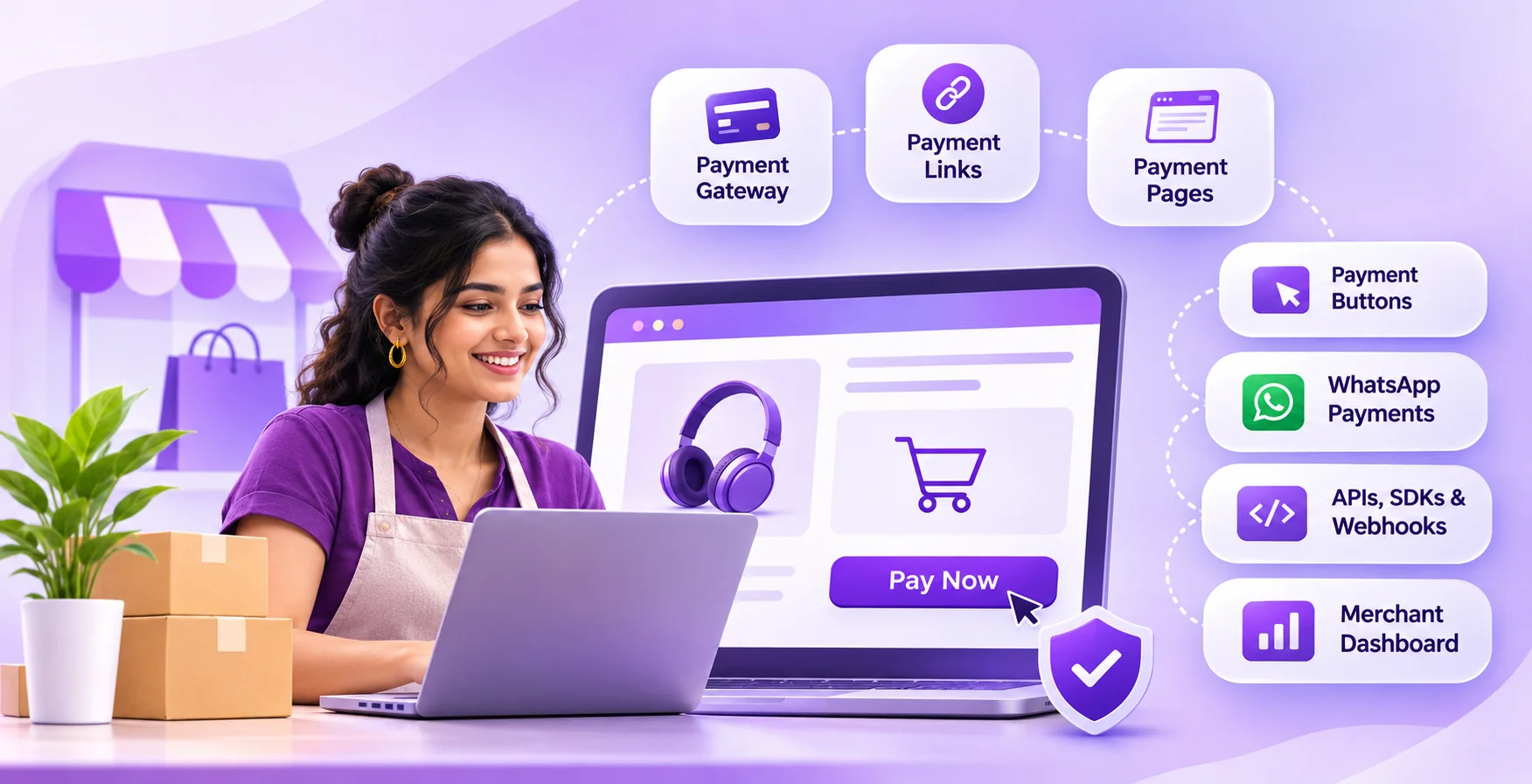
Payment Links allow businesses to share a payment request with customers through WhatsApp, SMS, email or other communication channels.
Customers can open the link and complete their payment without navigating through a full e-commerce website.
Payment Pages provide businesses with a dedicated online page for collecting payments without necessarily developing a complete e-commerce platform.
They can be useful for product launches, service bookings, event registrations and other payment collection requirements.
Payment Buttons allow businesses to add payment functionality to existing websites or digital pages, helping customers initiate payments conveniently.
Businesses that interact with customers through WhatsApp can use supported payment collection solutions to simplify the journey from customer conversation to payment completion.
These solutions are particularly relevant for small businesses, social commerce sellers and growing D2C brands.
Running an e-commerce business involves managing inventory, customer relationships, order fulfilment, marketing and financial operations. Payment acceptance should support these activities rather than add unnecessary complexity.
FiatPe offers online payment solutions designed to help businesses accept, track and manage digital payments through a unified platform.
With FiatPe, businesses can explore:
Whether you are launching an online store, expanding an established e-commerce business or selling through multiple digital channels, FiatPe helps bring your payment operations together.
An e-commerce payment gateway is more than a tool for accepting online payments. It is an important component of the customer journey and the operational infrastructure of a digital business.
From offering multiple payment methods and supporting secure transactions to simplifying reconciliation and settlement management, the right payment solution can help businesses operate more efficiently.
As India’s digital commerce ecosystem continues to evolve, businesses must invest in payment infrastructure that aligns with their customers’ expectations and long-term growth objectives.
With FiatPe’s range of online payment solutions, businesses can simplify payment acceptance across websites, applications and other digital channels.
An e-commerce payment gateway is a technology that enables businesses to securely accept online payments through websites, mobile applications and digital platforms. It facilitates communication between customers, merchants, payment networks and relevant financial institutions.
A payment gateway securely transmits transaction information to the relevant payment network, facilitates authentication and authorisation, and communicates the transaction status to the merchant and customer. Successful payments are subsequently settled according to the applicable settlement schedule.
A payment gateway helps e-commerce businesses accept multiple payment methods, simplify checkout, support secure transactions and manage digital payments. A reliable payment gateway can also help reduce payment-related cart abandonment and improve the overall customer experience.
An e-commerce payment gateway can support UPI, credit cards, debit cards, net banking and digital wallets. The availability of specific payment methods depends on the payment service provider, merchant eligibility and integration requirements.
Yes. Businesses can accept online payments using FiatPe Payment Links, Payment Pages and other supported digital payment collection solutions. These solutions allow merchants to collect payments through WhatsApp, SMS, email and other digital channels without developing a complete e-commerce website.
Yes. Payment gateways are suitable for small businesses, MSMEs, startups, D2C brands and established e-commerce businesses. They help merchants accept digital payments, offer multiple payment options and manage transactions through a centralised platform.
Payment gateway charges vary depending on the provider, payment method, business category, transaction volume and applicable pricing arrangements. Businesses should evaluate transaction charges, setup fees, maintenance charges and other applicable costs before selecting a payment gateway.
Payment settlement timelines depend on the payment service provider, payment method, merchant agreement and applicable banking or regulatory requirements. Merchants should confirm their settlement schedule with their provider and monitor settlement details through their payment dashboard.
Payment confirmation indicates that a customer’s transaction has been successfully processed. Payment settlement refers to the subsequent transfer of eligible transaction funds into the merchant’s registered bank account. A successful payment does not necessarily mean that the funds have already been settled.
Common payment gateway integration models include hosted, integrated and API-based payment gateways. Hosted gateways redirect customers to a provider-managed payment page, while integrated and API-based solutions can offer greater flexibility and control over the checkout experience. These integration models may overlap depending on their implementation.
A payment gateway facilitates the secure capture and transmission of payment information, while a payment processor handles transaction processing and communication with relevant financial institutions and payment networks. Some payment service providers offer both functionalities through a single platform.
Businesses can integrate FiatPe’s payment gateway into their websites and applications using supported APIs, SDKs and integration tools. Developers can refer to FiatPe’s developer documentation for technical guidance, integration requirements and payment workflows.
Payment gateways use security mechanisms such as encryption, authentication and fraud monitoring to help protect online transactions. Businesses should evaluate their provider’s applicable PCI DSS compliance, security practices and adherence to relevant regulatory requirements before integrating a payment gateway.
Yes. A well-integrated payment gateway can help reduce payment-related cart abandonment by offering multiple payment options, simplifying checkout and providing clear transaction updates. However, overall cart abandonment also depends on factors such as product pricing, shipping costs and website performance.
The best payment gateway depends on a business’s requirements, including payment methods, transaction charges, security, integration capabilities, settlement timelines and customer support. FiatPe offers a range of online payment solutions, including Payment Gateway, Payment Links, Payment Pages, Payment Buttons and WhatsApp Payments, to support different business payment requirements.
By FiatPe A customer visits your online store, explores your products, adds something to their cart and proceeds to checkout. Everything seems to be going well until the payment fails, their preferred payment method is unavailable, or the checkout process becomes unnecessarily complicated. Within seconds, a potential sale can turn into an abandoned cart. For […]
Read More →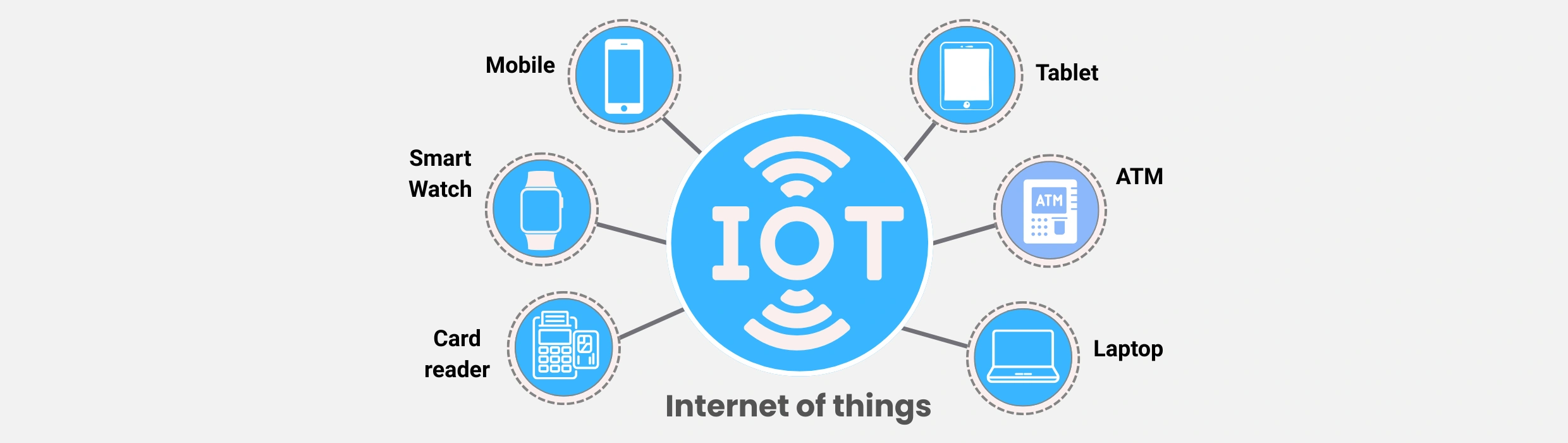
May 01, 2026 By FiatPe IoT in fintech refers to connected physical devices that can initiate, process or authenticate financial transactions with reduced manual intervention, subject to user authorisation and applicable payment requirements. Instead of requiring a person to initiate every payment separately, a connected device can trigger a transaction as part of an authorised […]
Read More →
August 29, 2025 By FiatPe India’s credit landscape is evolving faster than ever before. What began as a wave of consumer-focused Buy Now Pay Later (BNPL) models has now matured into a broader B2B credit revolution led by fintech innovation. This shift is reshaping how businesses, especially MSMEs, access and manage credit. The story is […]
Read More →
November 12, 2025 By FiatPe UPI has changed the way India pays, making instant transactions as easy as sending a message. From street vendors to large enterprises, millions of Indians now use UPI daily for convenience and speed. However, as usage grows, so does the creativity of online fraudsters. The rise of UPI frauds and […]
Read More →